
In the hustle and bustle of modern life, meal prepping has become a trusted ally for anyone seeking convenience, health, and saving precious time. But as those colorful containers accumulate, so does the environmental footprint – plastic waste turning from a small nuisance into a mounting concern. Enter the shining solution: cleaning and reusing your meal prep containers not only keeps your kitchen sparkling but also champions sustainability. In this article, we’ll explore smart, effective methods to refresh your containers with ease, extending their lifespan and reducing waste. Get ready to transform your meal prep routine into a greener, gleaming ritual that benefits both you and the planet.
Sparkling & Sustainable: How to Clean and Reuse Meal Prep Containers
Choosing the perfect materials for your meal prep containers is the first step to ensuring they remain durable, safe, and eco-friendly. When investing in containers designed for longevity, consider options like borosilicate glass, BPA-free high-density polyethylene (HDPE), or stainless steel. These materials resist staining, odor retention, and warping-qualities essential for containers that will be washed and reused repeatedly. Glass containers offer a non-porous surface, making them a hygienic and sustainable choice that pairs beautifully with vibrant, fresh meal presentations.
Prep and Cook Time
- Selection and setup: 10 minutes
- Cleaning routine: 15 minutes
- Total time: 25 minutes
Yield
- Designed for daily use of approximately 5-7 containers
Difficulty Level
- Easy – Perfect for beginners and experienced meal preppers alike
Ingredients
- 1 set of meal prep containers (choose from borosilicate glass, HDPE plastic, or stainless steel)
- 1 tablespoon baking soda (for stubborn stains and odors)
- 2 cups warm water
- 1 teaspoon white vinegar (natural disinfectant and deodorizer)
- Dish soap (preferably eco-friendly and phosphate-free)
- Soft sponge or microfiber cloth (to avoid scratching surfaces)
- Optional: lemon juice (boosts stain removal and freshness)
Instructions
- Choose your container materials wisely. Prioritize glass for a non-reactive, long-lasting option or BPA-free plastics that withstand frequent washing and temperature changes without degradation.
- Prepare a gentle cleansing bath. In a basin, mix warm water, dish soap, and white vinegar. The vinegar’s antibacterial properties naturally enhance cleanliness while breaking down residues.
- Soak containers promptly after use. Let fresh containers soak for 5 to 10 minutes to loosen stuck-on food and prevent staining.
- Apply baking soda paste to stubborn stains. Create a paste with baking soda and water, apply it on stains or odors, and gently scrub with a microfiber cloth. This helps tackle discoloration without harsh abrasives.
- Rinse thoroughly in warm water. Ensure no soap residue remains, which can attract bacteria or impart unwanted flavors to your next meal.
- Dry completely before storing. Air-dry or wipe with a clean towel to prevent moisture buildup, which encourages mildew.
- Extend container life with mindful storage. Nest containers properly to avoid cracks and keep lids separate but nearby to prevent warping and retain seal integrity.
- Repurpose creatively. When containers near the end of their meal prep life, clean and transform them into household organizers for craft supplies, mini herb gardens, or travel toiletry holders.
Tips for Success
- Avoid harsh chemicals or abrasive scrubbing pads that damage container surfaces and fade markings.
- Microwave food in glass containers whenever possible to reduce plastic exposure and prevent warping.
- Label containers with reusable tags or erasable markers to track meals while avoiding wasteful stickers.
- Set containers upside down on drying racks to speed drying time and minimize bacteria risk.
- For tough odors, place a slice of lemon inside the container overnight to naturally deodorize and freshen.
- Consider using silicone lid seals; they withstand temperature changes and offer an airtight freshness lock.
Serving Suggestions
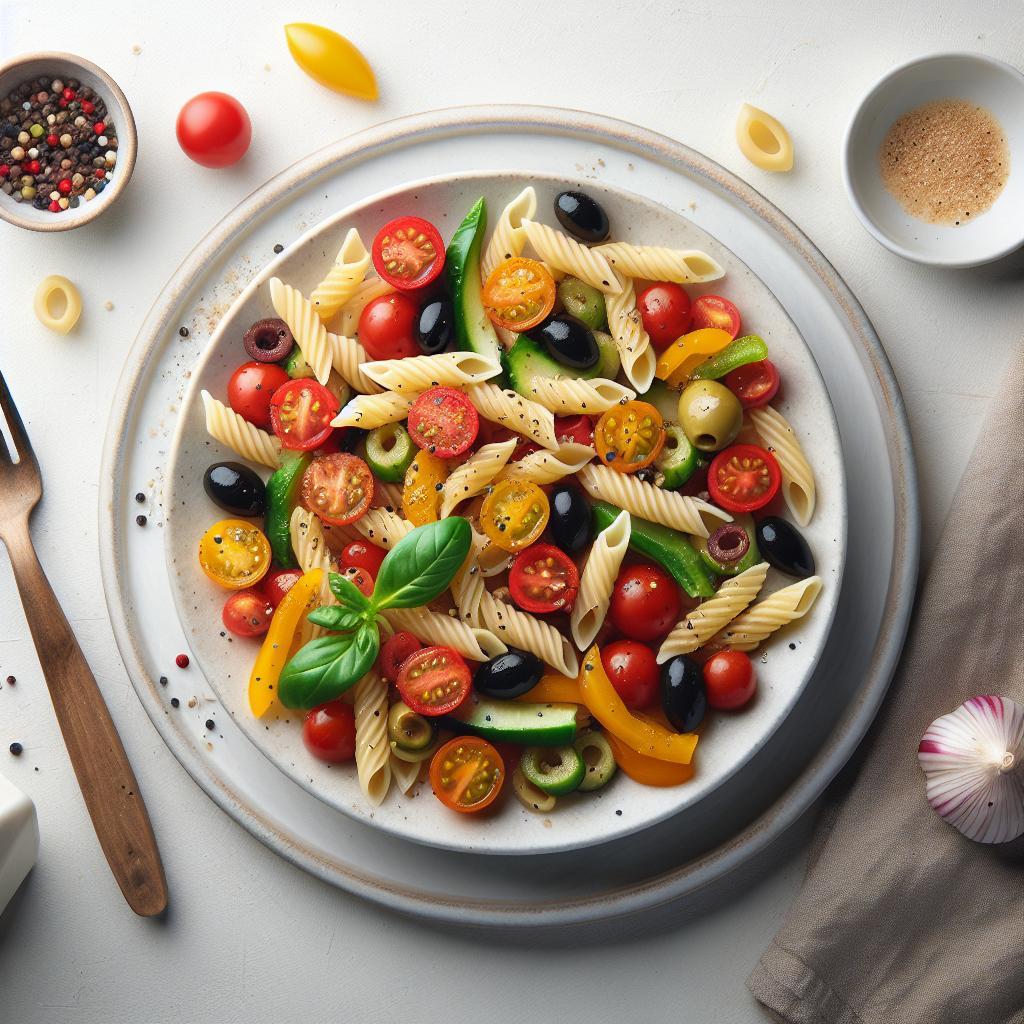
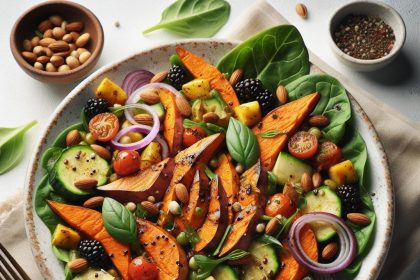
Once your containers are sparkling, fill them with nutrient-dense, vibrant meals to entice your palate throughout the week. Layer colorful veggies, whole grains, and protein for a balanced feast. Garnish with fresh herbs like parsley, cilantro, or mint before sealing for an aromatic boost. Use clear glass containers to showcase the irresistible layers and inspire mindful eating-perfect for brightening work lunches or easy weekend dinners.

Nutritional Information per Container (Example Meal)
| Calories | Protein | Carbs | Fat |
|---|---|---|---|
| 450 kcal | 30 g | 50 g | 10 g |
For more sustainable kitchen tips, check out our Ultimate Sustainable Cooking Guide. Learn more about container safety from the FDA.
Q&A
Q&A: Sparkling & Sustainable – How to Clean and Reuse Meal Prep Containers
Q1: Why should I bother reusing meal prep containers?
A1: Reusing meal prep containers not only cuts down on plastic waste but also saves you money and keeps your kitchen clutter-free. Plus, giving these containers a sparkling second life means fewer trips to the landfill-and a happier planet!
Q2: What’s the secret to cleaning meal prep containers so they look and smell fresh?
A2: Start with a good soak in warm, soapy water to loosen any food remnants. For stubborn stains or odors, sprinkle baking soda inside the container, add a splash of vinegar, and let it fizz for 10 minutes before scrubbing. Rinse thoroughly and air dry to keep them bright and fresh.
Q3: Can all meal prep containers be safely reused?
A3: Not all containers are created equal! Look for those labeled BPA-free and microwave-safe. Avoid containers with cracks or warping, as bacteria can nestle there. Glass containers are often the most durable and sustainable option for long-term reuse.
Q4: How often should I replace my reusable containers?
A4: Replace containers when they show signs of wear-deep scratches, cracks, or persistent staining and odors that won’t budge. Regular inspection ensures your meals stay safe, and your container prep stays sustainable.
Q5: Are there eco-friendly tips for maintaining meal prep containers?
A5: Absolutely! Use natural cleaning products like lemon juice, vinegar, and baking soda instead of harsh chemicals. Also, air dry them upside down on a rack-less energy used, and they stay fresh and mold-free.
Q6: What’s the best way to store reused containers to keep them ready for the next meal?
A6: Stack them with lids off for airflow or store lids separately to avoid moisture build-up. This simple habit prevents mildew and keeps those containers sparkling and ready to rock your next meal prep session!
Q7: Can reusing containers impact the taste or safety of my food?
A7: When cleaned properly, reusable containers don’t affect taste or safety. Just keep an eye out for damage or lingering smells-if you notice any funky business, it’s time to switch them out.
Q8: Any creative hacks for reusing containers beyond meal prep?
A8: Absolutely! Use them as mini planters, DIY storage for craft supplies, or even for organizing your desk drawers. Reusing meal prep containers creatively extends their life and reduces overall waste!
Q9: How does keeping containers sparkling align with sustainability?
A9: Sparkling containers mean less need to buy new ones, reducing plastic production and energy consumption. Plus, a clean container invites reuse-boosting your eco-friendly lifestyle one meal at a time!
By embracing these tips, you’re not just cleaning containers-you’re cultivating a sustainable habit that benefits your health, wallet, and the planet. So go ahead, sparkle up those containers and keep your meal prep sustainable and sensational!
Concluding Remarks
In a world where convenience often comes wrapped in single-use plastics, turning your meal prep containers sparkling and sustainable is more than just a cleaning routine-it’s a mindful act of stewardship. By adopting simple yet effective cleaning habits, you not only extend the life of your containers but also reduce waste and shrink your environmental footprint. So, next time you savor that perfectly portioned meal, take a moment to celebrate the cycle of care you’re nurturing-from fridge to table, and back to freshness again. Clean, reuse, and let sustainability shine in every bite and every container.