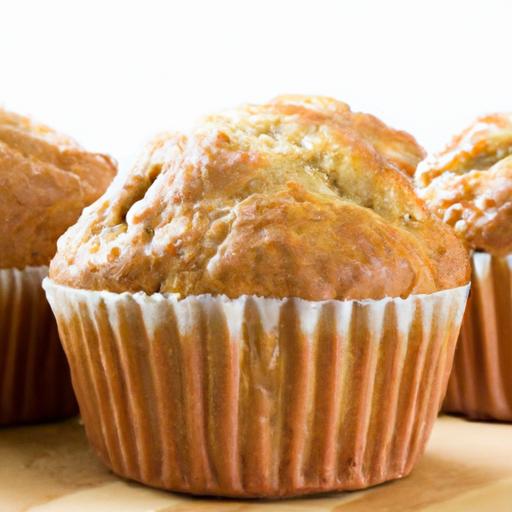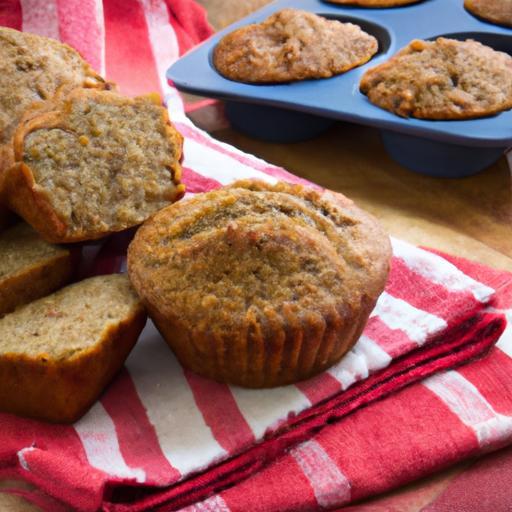

There’s something undeniably comforting about the warm, crumbly goodness of muffins and quick breads. Whether it’s a batch of blueberry muffins fresh from the oven or a hearty loaf of banana bread, these baked treats have a way of brightening mornings and sweetening afternoons. Yet, their delicate texture and moist crumb can be challenging to keep fresh for long. Fear not-preserving that just-baked taste and softness doesn’t have to be a mystery. In this article, we’ll explore smart, simple storage tips that ensure your muffins and quick breads stay irresistibly fresh, bite after delightful bite. Say goodbye to dryness and staleness, and hello to lasting bakery bliss!
- Choosing Containers and Techniques to Preserve Muffins & Quick Bread Freshness
- Optimal Temperature and Environment for Storing Muffins & Quick Bread Fresh
- Reviving Stale Muffins & Quick Breads with Simple Tricks
- Prep and Cook Time
- Yield
- Difficulty Level
- Ingredients for Wrapping and Storing Baked Goods
- Instructions for Best Storage Practices
- Chef’s Notes: Tips for Success
- Serving Suggestions
- Q&A
- In Summary
Choosing Containers and Techniques to Preserve Muffins & Quick Bread Freshness
Keeping muffins & quick bread fresh is both an art and a science. When it comes to preserving their tender crumb and moist texture, selecting the right storage container plays a pivotal role. Airtight containers crafted from glass or BPA-free plastic create an environment that traps humidity, reducing the risk of dryness while preventing excess moisture that can cause sogginess. For ultimate freshness, consider containers with silicone seals or locking lids that form a tight, impenetrable barrier.
Beyond containers, wrapping techniques dramatically extend shelf life. Wrapping muffins individually in parchment paper or beeswax wraps before placing them together in a container shields them from air exposure and condensation. For added protection, a light layer of plastic wrap under the lid can offer a secondary moisture barrier without suffocating the baked goods. This approach minimizes staleness and safeguards delicate toppings like streusel or glaze.
Optimal Temperature and Environment for Storing Muffins & Quick Bread Fresh
Storing your baked treats at room temperature, ideally between 65°F and 70°F (18°C to 21°C), ensures they remain moist without developing mold. Avoid humid areas like near a stovetop or sink, as moisture encourages spoilage. If your kitchen is warmer, refrigeration can be considered to slow bacterial growth-just be sure to thoroughly wrap baked goods to prevent them from drying out or absorbing refrigerator odors.
When storing for longer than a couple of days, freezing is your best friend. Wrap muffins and slices of quick bread tightly in plastic wrap and foil, then place them in freezer-safe, airtight bags. Thaw at room temperature still wrapped to retain moisture. This method can keep muffins & quick bread fresh for up to 3 months.
Reviving Stale Muffins & Quick Breads with Simple Tricks
Even the best storage sometimes falls short-and that’s when reviving stale muffins and quick bread becomes essential. One of the easiest tricks is to lightly mist muffins with water or brush with melted butter, then warm them in a 350°F (175°C) oven for 5 to 7 minutes. This gentle heat rehydrates the crumb and refreshes the crust, bringing back a freshly baked texture.
Alternatively, microwaving wrapped muffins for 10 to 15 seconds wrapped in a damp paper towel can soften dryness quickly. Pair with a smear of jam or honey to complement their renewed moistness perfectly.
For those interested in learning more about storing baked goods to maintain their perfect texture, check out our comprehensive guide to baking preservation and for scientific insight, visit the USDA Food Safety and Inspection Service.
Prep and Cook Time
- Prep Time: 5 minutes
- Storage Time: Up to 3 days at room temperature, 1 month refrigerated, 3 months frozen
Yield
- Typically stores up to 12 muffins or 1 standard loaf of quick bread
Difficulty Level
- Easy to Medium – Perfect for all home bakers who want to prolong their creations
Ingredients for Wrapping and Storing Baked Goods
- Bee’s wax wraps or parchment paper, enough to wrap each muffin or loaf slice
- Plastic wrap, for an extra moisture barrier
- Airtight storage container with a locking silicone seal
- Spray bottle with water (for reviving)
- Melted butter (optional, for refreshing stale goods)
Instructions for Best Storage Practices
- Cool completely: Allow muffins or quick bread to cool fully at room temperature before storing, preventing condensation and sogginess inside the container.
- Wrap carefully: Individually wrap each piece in beeswax wrap or parchment paper to maintain moisture balance and preserve texture.
- Use airtight containers: Place wrapped items inside airtight containers with silicone seals to lock in freshness and prevent outside air from penetrating.
- Store at room temperature: Keep containers in a cool, dry area of your kitchen away from direct sunlight or heat sources.
- Refrigerate or freeze as needed: For longer storage, refrigerate wrapped and sealed goods up to one month or freeze wrapped and bagged goods to extend life up to three months.
- Revive when stale: Lightly mist or brush stale muffins with water or melted butter, heat in the oven at 350°F (175°C) for 5-7 minutes, or microwave wrapped with a damp paper towel for 10-15 seconds.
Chef’s Notes: Tips for Success
- Use room temperature storage containers: Cold containers can cause condensation which ruins texture.
- Avoid plastic wrap direct contact with delicate frostings: Place parchment paper first for protection.
- Freeze in single portions: This limits waste and makes thawing quicker and easier.
- Customize wrapping materials: Beeswax wraps are eco-friendly and breathable, but plastic wrap can seal moisture more tightly.
- Check for spoilage regularly: Avoid extended storage beyond recommended times to keep flavors pure and textures ideal.
Serving Suggestions
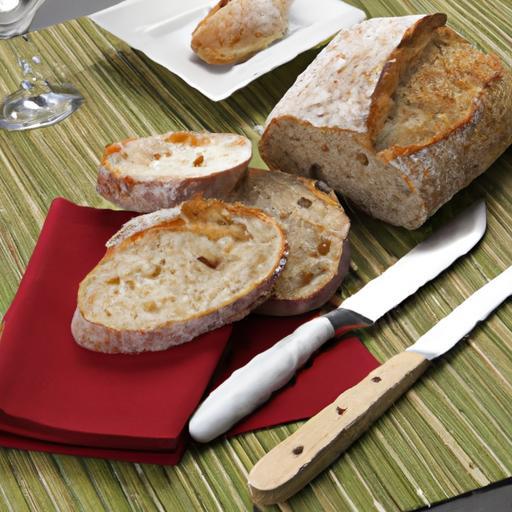
Present your muffins or quick bread on rustic wooden boards or vintage plates to highlight their artisanal charm. Garnish with fresh berries, a dusting of powdered sugar, or a pat of whipped butter infused with honey and cinnamon. Adding a side of lemon curd or homemade jam enhances flavor contrasts beautifully. For a cozy brunch, accompany with a steaming latte or freshly brewed herbal tea in colorful mugs.
| Nutrient | Per Muffin (approx.) | Per Slice of Quick Bread |
|---|---|---|
| Calories | 180 kcal | 220 kcal |
| Protein | 3 g | 4 g |
| Carbohydrates | 28 g | 30 g |
| Fat | 7 g | 9 g |

Q&A
Q&A: Keep Muffins & Quick Bread Fresh: Smart Storage Tips
Q1: Why do muffins and quick breads go stale so quickly?
A1: Muffins and quick breads have a higher moisture content and no preservatives, making them prone to drying out or becoming soggy when exposed to air. Their tender crumb invites rapid staleness if not stored properly.
Q2: What’s the best way to store muffins if I plan to eat them within a day or two?
A2: Keep them at room temperature in an airtight container. A loosely covered container is fine if you’ll eat them by day two, but airtight is best to maintain moisture and prevent them from drying out.
Q3: Can I refrigerate muffins or quick bread?
A3: Refrigeration generally dries out baked goods faster, so it’s not ideal. However, if your kitchen is very humid and warm, refrigerating in an airtight container can help prevent mold, though you may want to warm the muffins slightly before eating for better texture.
Q4: How should I freeze muffins and quick bread for longer storage?
A4: Wrap each muffin or slice of quick bread tightly in plastic wrap or foil, then place them in a freezer-safe zip-top bag. Freeze for up to three months. Thaw at room temperature or pop them in a toaster oven or microwave for a freshly baked feel.
Q5: Is it okay to store muffins and quick bread with the paper liners still on?
A5: Yes! Muffin liners help preserve moisture and keep crumbs from sticking inside the container. Just make sure the muffins are completely cooled before storing to avoid sogginess.
Q6: Should I store muffins and quick bread separately or together?
A6: Store them separately if possible, as quick bread slices tend to be denser and may affect the moisture dynamics of muffins. But if space is limited, just keep everything airtight and well wrapped.
Q7: Any tips for reviving slightly stale muffins or quick bread?
A7: Wrap the item in a damp paper towel and microwave for 10-15 seconds, or heat briefly in a preheated oven (around 300°F/150°C) for 5 minutes. This gives them renewed softness and warmth.
Q8: What role does temperature play in muffin and quick bread storage?
A8: Cooler temps slow mold growth, but too cold (like in the fridge) can dry baked goods out. Room temperature with airtight storage strikes a perfect balance for short-term freshness, while freezing locks in freshness for the long haul.
Q9: How does humidity affect storage?
A9: High humidity encourages mold growth and sogginess, low humidity causes dryness. Airtight containers help shield muffins and quick breads from external humidity, preserving their perfect texture.
Q10: Any non-standard storage hacks to try?
A10: Place a slice of fresh bread or a dampened paper towel in the storage container to help maintain moisture balance – just swap them out every day to avoid mold! Alternatively, storing on the counter wrapped in foil can keep edges tender without sweating them out.
Keep these smart storage tips in mind, and your muffins and quick breads will stay delectably fresh, moist, and ready for whenever hunger strikes!
In Summary
Keeping your muffins and quick breads fresh doesn’t have to be a mystery or a battle against time. With a few simple, smart storage strategies-like wrapping tightly, choosing the right container, and minding the temperature-you can enjoy that just-baked taste days after the oven has cooled. Remember, the secret to savoring every crumb lies in how you care for your baked goods after they’ve left the tin. So next time you whip up a batch, treat them with a little TLC, and watch your muffins and quick breads stay moist, flavorful, and absolutely irresistible for longer. Happy baking-and even happier eating!