In the fast-paced world of fitness and nutrition, the quest for the perfect fuel is endless. Enter couscous and quinoa-two ancient grains that have surged in popularity, promising energy, vitality, and health benefits. But when it comes to propelling your speed, whether on the track or through your daily hustle, which one truly takes the lead? In this flavorful face-off, we’ll dive into the nutritional nuances, digestion dynamics, and performance perks of couscous versus quinoa to help you decide which grain deserves a spot in your power-packed pantry. Ready, set, let’s fuel up!
Couscous vs Quinoa: Unlocking the Secret Ingredients for Speed and Stamina
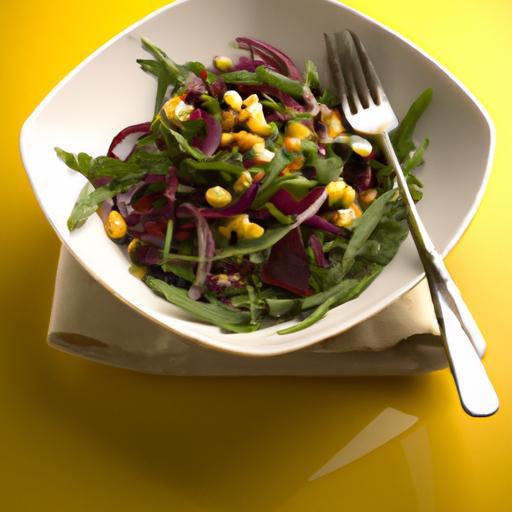
Couscous vs Quinoa: Which Fuels Your Speed Better? It’s a question many athletes and food lovers face when designing meals that balance energy, protein, and recovery benefits. Both grains boast impressive nutrition profiles, but the true magic lies in how they complement your performance goals. Today, we’re diving into a vibrant recipe that combines these nutritional powerhouses to fuel your endurance and tantalize your taste buds.
Prep and Cook Time
Preparation: 15 minutes | Cooking: 20 minutes | Total: 35 minutes
Yield
Serves 4 energizing portions
Difficulty Level
Easy – Perfect for busy athletes and home cooks alike
Ingredients
- 1 cup whole wheat couscous
- 1 cup tri-color quinoa, rinsed thoroughly
- 2 cups low-sodium vegetable broth (for cooking grains)
- 1 tbsp extra virgin olive oil
- 1 medium red bell pepper, diced
- 1 cup cherry tomatoes, halved
- ½ cup finely chopped fresh parsley
- ¼ cup chopped toasted almonds for crunch
- 1 small cucumber, peeled and diced
- Juice of 1 large lemon
- 2 cloves garlic, minced
- Salt and freshly ground black pepper to taste
- Optional: ¼ cup crumbled feta cheese
Instructions
- Prepare the quinoa: In a medium saucepan, combine rinsed quinoa with 1¼ cups vegetable broth. Bring to a boil, then reduce heat to low, cover, and simmer for 15 minutes until tender and water is absorbed. Fluff with a fork and set aside.
- Cook the couscous: In a separate pot, bring ¾ cup vegetable broth to a boil. Remove from heat, stir in couscous, cover, and let stand 5 minutes until liquid is absorbed. Fluff gently with a fork.
- Sauté the vegetables: Heat olive oil in a skillet over medium heat. Add garlic and diced red bell pepper, sauté until fragrant and slightly softened (about 3-4 minutes). Remove from heat and let cool slightly.
- Combine base ingredients: In a large bowl, gently fold together quinoa, couscous, sautéed veggies, cherry tomatoes, cucumber, and parsley. Toss to combine evenly.
- Dress the salad: Drizzle lemon juice over the mixture, season with salt and pepper to taste. Toss again for vibrant freshness.
- Add texture and optional flair: Sprinkle toasted almonds for crunch and crumbled feta cheese if desired. Serve chilled or at room temperature for maximum flavor impact.
Chef’s Notes: Tips for Success
- For an even fluffier grain base, allow couscous to steam with the lid tightly closed for a full 5 minutes before fluffing.
- If short on time, use pre-cooked quinoa or couscous-but for best texture, freshly cooked is ideal.
- Feel free to swap almonds with walnuts or pistachios for a different nutty nuance and added omega-3s.
- Make ahead: This dish can be stored in an airtight container in the fridge for up to 3 days, making it a great meal prep option.
- For plant-based protein boost, toss in a handful of cooked chickpeas or grilled tofu cubes.
Serving Suggestions
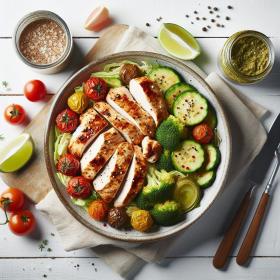
This nourishing couscous and quinoa salad shines when plated with bright, fresh garnishes. Consider adding a sprig of parsley or a lemon wedge alongside. Pair it with grilled chicken, fish, or your favorite plant-based protein for a complete performance meal. Drizzle a bit of high-quality extra virgin olive oil right before serving to enhance flavor and satiety. Enjoy with a crisp glass of sparkling water infused with lemon and cucumber for a refreshing finish.
| Nutrition (per serving) | Calories | Protein | Carbohydrates | Fat |
|---|---|---|---|---|
| Couscous and Quinoa Salad | 320 kcal | 11 g | 48 g | 8 g |
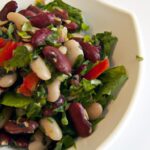
Explore more nourishing recipes to complement your training, like this Power-Packed Legume Salad. For deeper insight into the nutritional values of couscous and quinoa, visit the NutritionValue database, a trusted resource for performance-focused meal planning.

Q&A
Q: What makes couscous and quinoa popular choices for athletes and speedy runners?
A: Both couscous and quinoa are praised for their quick-cooking convenience and nutrient profiles. Couscous, made from tiny steamed semolina wheat granules, offers fast energy through its carbohydrate content. Quinoa, a seed often called a “supergrain,” provides a complete protein punch alongside complex carbs, making both favorites for fueling active lifestyles.
Q: How do couscous and quinoa differ in their nutritional impact on speed and endurance?
A: Couscous is primarily a source of carbohydrates, giving your muscles swift access to glycogen-the primary fuel for sprinting. Quinoa, on the other hand, delivers not only carbs but also all nine essential amino acids, supporting muscle repair and sustained energy. This balance may enhance endurance and recovery, potentially benefiting speed in the long run.
Q: Which is better for post-run recovery: couscous or quinoa?
A: Quinoa edges ahead here due to its rich protein content. After intense speed work, repairing muscle fibers is crucial, and quinoa’s amino acids help rebuild and reduce soreness. Couscous can replenish glycogen stores rapidly, but pairing it with a protein source is ideal for full recovery.
Q: Can choosing couscous or quinoa influence how fast you perform in a race?
A: Indirectly, yes. Couscous’s quick-digesting carbs may provide an immediate energy spike, excellent for a pre-race meal if timed correctly. Quinoa’s sustained release of energy and protein content supports overall stamina and muscle health, contributing to consistent speed over time rather than a single burst.
Q: Do any dietary restrictions affect whether couscous or quinoa is the better choice?
A: Absolutely. Couscous contains gluten, making it unsuitable for those with celiac disease or gluten intolerance. Quinoa is naturally gluten-free and suitable for most diets, including vegan and paleo-friendly plans, which might make it the go-to grain for many athletes.
Q: What’s the final verdict for athletes wondering “Couscous vs Quinoa: Which fuels your speed better?”
A: Think of couscous as the fast fuel that ignites your sprint, while quinoa is the balanced booster that powers your marathon. For short, explosive speed, couscous’s quick carbs shine. For overall muscle support and sustained power, quinoa’s complete nutrition is tough to beat. Why not combine them to get the best of both worlds in your race to the finish?
Insights and Conclusions
In the race between couscous and quinoa to fuel your speed, the finish line isn’t about crowning a single champion but understanding what each grain brings to your plate – and your performance. Couscous offers a quick-release energy boost with its comforting, versatile nature, while quinoa stands out as the complete protein powerhouse, sustaining stamina and muscle recovery. Whether you’re dashing through sprints or enduring a marathon training session, embracing the unique strengths of both can give your body the balanced fuel it craves. So next time you lace up your shoes, remember: the best fuel might just be the one that fits your flavor, your goals, and your rhythm-because true speed comes not just from what you eat, but how well it powers your personal journey.