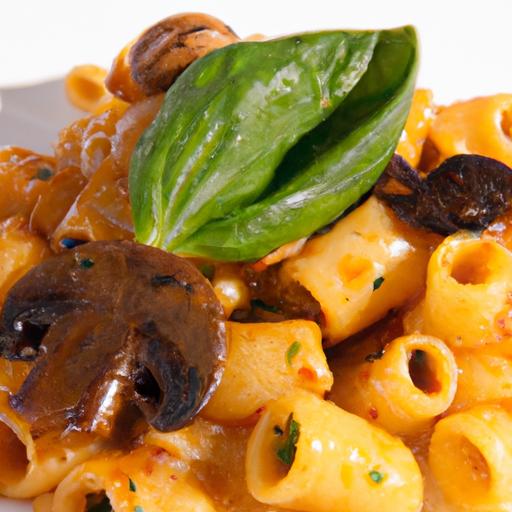

There’s a secret ingredient to transforming humble pasta from ordinary to extraordinary, and it’s often growing quietly in your garden-or waiting in your grocery’s produce aisle. Herbs, those vibrant bursts of nature’s flavor, hold the key to elevating every bite without a single pinch of artificial seasoning. In this article, we’ll explore simple, natural ways to herb your pasta, turning everyday meals into fragrant feasts that delight the senses and celebrate the art of fresh, wholesome cooking. Get ready to awaken your taste buds and discover how a sprinkle of green can make all the difference!
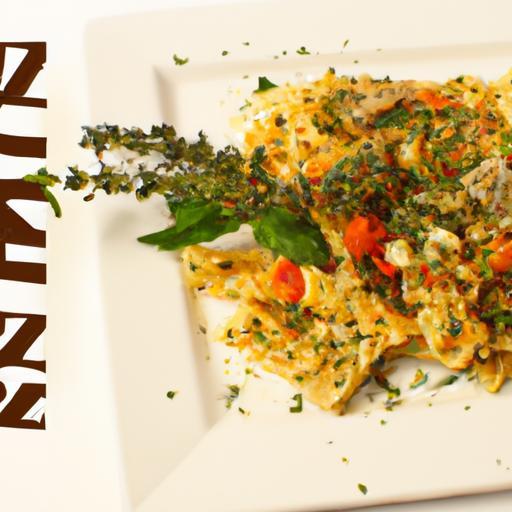
Herb Your Pasta: Simple Ways to Boost Flavor Naturally transforms a humble pasta dish into a vibrant celebration of garden-fresh aromas and tastes. Drawing inspiration from Mediterranean traditions, this approach celebrates how the careful selection and blending of herbs can elevate every bite. Whether you’re crafting a light garlic basil sauce or a hearty oregano-parsley ragù, mastering herb combinations captivates your palate and invites a refreshing depth to familiar dishes.
Prep and Cook Time
Preparation: 10 minutes | Cook Time: 15 minutes | Total Time: 25 minutes
Yield
Serves 4
Difficulty Level
Easy
Ingredients
- 12 oz dried linguine or fettuccine pasta
- 3 tbsp extra virgin olive oil
- 4 cloves garlic, thinly sliced
- 1 cup fresh basil leaves, roughly chopped
- 1/2 cup fresh flat-leaf parsley, finely chopped
- 2 tbsp fresh oregano leaves, chopped
- 1 tsp fresh thyme leaves
- 1/4 tsp red pepper flakes (optional)
- Salt and freshly cracked black pepper to taste
- 1/2 cup grated Parmesan cheese (plus extra for garnish)
- 1 lemon zest (optional, for brightness)
- Fresh herb sprigs for garnish (basil, oregano, parsley)
Instructions
- Cook the pasta: Bring a large pot of salted water to a boil and cook the pasta according to package instructions until al dente. Reserve 1 cup of pasta water before draining.
- Prepare the herb blend: While pasta cooks, finely chop basil, parsley, oregano, and thyme. Combine gently in a small bowl, allowing the aromas to mingle.
- Sauté garlic: In a large skillet, heat olive oil over medium heat. Add sliced garlic and sauté until golden and fragrant, about 2-3 minutes, stirring frequently to prevent burning.
- Infuse flavors: Stir in red pepper flakes and lemon zest (if using), cooking for an additional 30 seconds to awaken the herbs’ natural oils.
- Toss pasta and herbs: Add drained pasta to the skillet and toss with the garlic oil. Gradually mix in the fresh herb blend and Parmesan, adding pasta water a few tablespoons at a time to loosen the sauce and create a silky coating.
- Season and serve: Season with salt and pepper to taste. Garnish generously with extra Parmesan and fresh herb sprigs for a striking, aromatic presentation.
Chef’s Notes
- For a smoky twist, try adding a small pinch of smoked paprika to the herb blend.
- Substitute fresh herbs with 1 tbsp dried herbs if necessary, but fresh always delivers a brighter, more vibrant flavor.
- Make your herb blend ahead of time and store it in an airtight container for up to 2 days; it’s perfect for quick pasta enhancements.
- Experiment with adding fresh mint or rosemary sparingly for unique flavor twists.
- If you prefer a creamy texture, stir in a tablespoon of mascarpone or ricotta just before serving.
Serving Suggestions
Present this herb-infused pasta on rustic ceramic plates to highlight its earthy tones. A light drizzle of high-quality extra virgin olive oil over the top enhances the flavor and provides a delicate sheen. Pair with a crisp white wine like Pinot Grigio or a light Italian Rosé to complement the fresh herbal notes. For a final inviting touch, sprinkle edible flowers such as nasturtiums or violets for a pop of color and fragrance.
| Nutritional Information (per serving) | Calories | Protein | Carbs | Fat |
|---|---|---|---|---|
| Herb Your Pasta Blend | 420 kcal | 14 g | 60 g | 10 g |

Discover more about maximizing garden herbs here, and learn the science behind herb flavor release at Mount Vernon’s Herb Guide.
Q&A
Q: What does “Herb Your Pasta” mean?
A: “Herb Your Pasta” is a playful way to say “add herbs to your pasta.” It’s a simple, delicious method to elevate your pasta dishes by incorporating fresh or dried herbs, enhancing flavor naturally without relying on heavy sauces or artificial additives.
Q: Why should I use herbs in my pasta dishes?
A: Herbs bring vibrant aromas, fresh flavors, and a nutritional boost to your meals. They enhance the taste profile, turning a basic pasta into a gourmet experience while keeping the dish light, healthy, and naturally satisfying.
Q: Which herbs work best for boosting pasta flavor?
A: Classic Italian herbs like basil, oregano, parsley, and thyme are pasta’s best friends. You can also explore rosemary for a piney twist, sage for earthy warmth, or mint for a refreshing surprise. Each herb offers a unique taste adventure!
Q: Should I use fresh or dried herbs?
A: Both have their charm! Fresh herbs deliver bright, lively flavors and a burst of color, great for finishing touches. Dried herbs are more concentrated, perfect for simmering in sauces or adding early in cooking for deep infusion.
Q: How can I easily “herb” my pasta at home?
A: Start simple-toss cooked pasta with olive oil, garlic, and a handful of chopped fresh herbs. Sprinkle some Parmesan or a pinch of chili flakes for added depth. Experiment with herb blends and oils to create your signature pasta dish!
Q: Can herbs replace traditional pasta sauces?
A: Absolutely! While classic sauces have their place, herbs can stand alone as the main flavor boost. A drizzle of herb-infused olive oil or a sprinkle of herbaceous gremolata can transform plain pasta into a fragrant, elegant meal.
Q: Are there health benefits to eating herbs with pasta?
A: Yes! Herbs are packed with antioxidants, vitamins, and anti-inflammatory compounds. Adding them to pasta not only boosts taste but also contributes to overall health, supporting digestion and immunity naturally.
Q: Can I grow my own herbs for pasta?
A: Definitely! Many pasta-friendly herbs grow easily in pots or garden beds. Freshly picked basil or thyme just before your meal can make a huge difference. Plus, growing your own herbs means endless fresh flavor right at your fingertips!
Q: What’s a quick tip to preserve herb flavor when cooking pasta?
A: Add delicate herbs like basil or parsley after cooking to preserve their vibrant flavor, while sturdier herbs like rosemary or oregano can be added earlier to infuse the sauce or oil. This layering technique maximizes taste!
Q: Ready to “herb your pasta”? What’s a simple starter recipe?
A: Try tossing hot spaghetti with extra virgin olive oil, minced garlic, a splash of lemon juice, and a handful of chopped fresh basil and parsley. Finish with freshly grated Parmesan and black pepper. Simple, fresh, and wonderfully flavorful!
Concluding Remarks
As you tangle your fork in a vibrant swirl of herb-kissed pasta, remember: flavor is nature’s gift, waiting just outside your kitchen door. Whether it’s the peppery punch of fresh arugula, the sweet burst of basil, or the rustic warmth of thyme, these green gems transform a simple dish into a celebration of taste. Embracing herbs not only brings boldness to your meals but also invites a healthier, more aromatic journey with every bite. So next time you cook, don’t just season-herb your pasta, and let nature’s palette elevate your plate to delicious new heights.