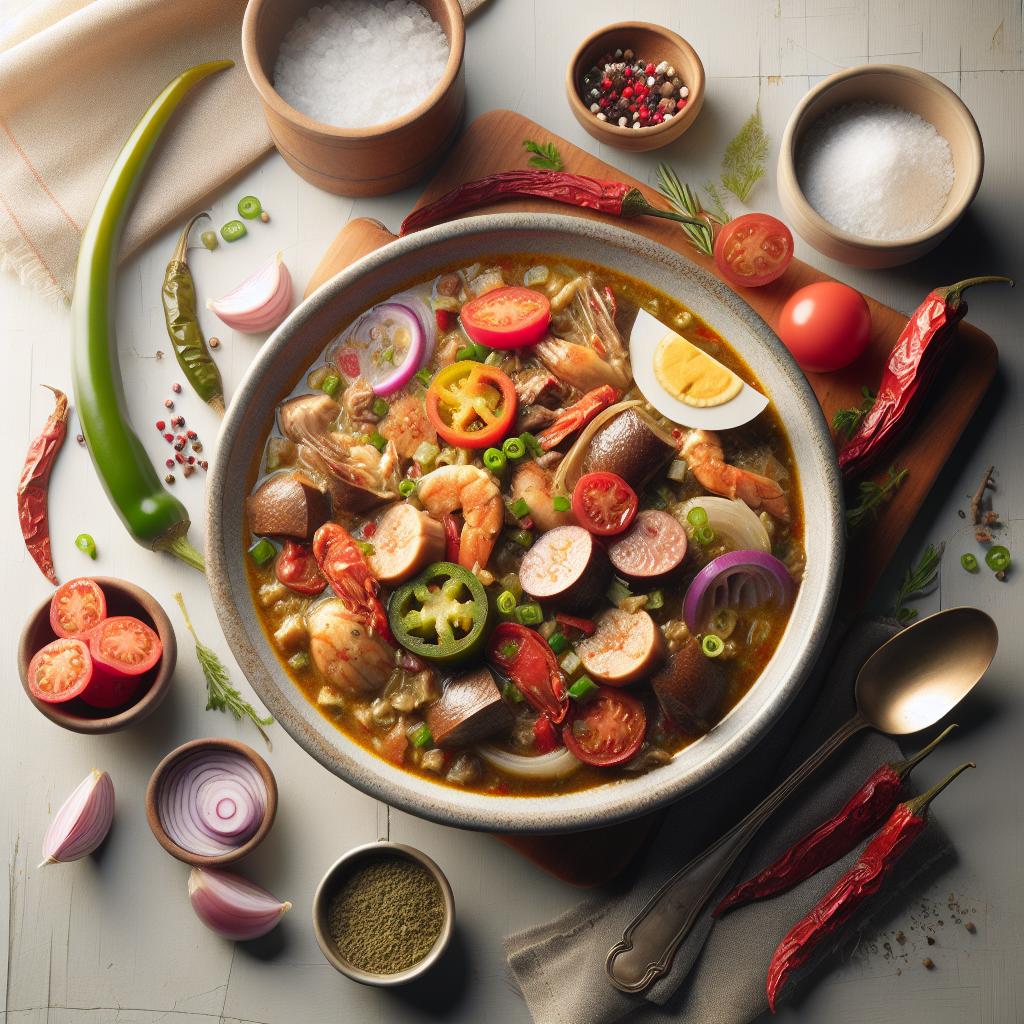

In the heart of Southern kitchens, where history simmers and culture mingles, gumbo stands as a vibrant testament to the art of soulful cooking. More than just a stew, gumbo is a mosaic of flavors-each spoonful telling a story of tradition, community, and culinary magic. Whether you’re a seasoned chef or a curious palate, this guide invites you to savor the flavor of authentic gumbo, unlocking the secrets behind its rich, layered taste and the time-honored techniques that bring it to life. Get ready to embark on a mouthwatering journey where spice dances with depth, and every bite is a celebration of heritage and craftsmanship. Welcome to your ultimate guide to gumbo’s magic-where flavor reigns supreme and every pot holds a delicious secret waiting to be discovered.
Savor the Flavor: Authentic gumbo is not just a dish-it’s a celebration of a culinary tradition deeply rooted in Louisiana’s vibrant culture. This hearty stew weaves together French, African, Spanish, and Native American influences into a rich tapestry of flavors. Whether it’s simmered slowly over a warm stove on a chilly evening or shared with loved ones during a lively gathering, gumbo tells a story with every spoonful. Let’s explore how to bring this legendary dish to life in your kitchen, ensuring every step pays tribute to its soulful origins.
Prep and Cook Time
- Prep Time: 30 minutes
- Cook Time: 2 hours
Yield
6 generous servings
Difficulty Level
Medium – Patience and attention to detail are key, but the results are richly rewarding.
Essential Ingredients to Capture Traditional Gumbo Flavors
- 1 cup all-purpose flour, sifted – for the roux, the foundation of flavor
- 1 cup vegetable oil – to create a dark, nutty roux
- 1 large onion, finely diced
- 1 bell pepper, diced
- 3 celery stalks, diced – the “holy trinity” of Cajun cooking
- 4 cloves garlic, minced
- 8 cups chicken stock – homemade or low-sodium preferred
- 2 bay leaves
- 1 tsp dried thyme
- 1 tsp smoked paprika
- 1/2 tsp cayenne pepper (adjust for heat preference)
- 1 lb Andouille sausage, sliced
- 1 lb boneless chicken thighs, cut into bite-sized pieces
- 1 lb shrimp, peeled and deveined
- 1 cup okra, sliced (fresh or frozen)
- Salt and black pepper, to taste
- Cooked white rice, for serving
- Chopped green onions and fresh parsley, for garnish
Step by Step Techniques for Perfecting Your Gumbo Roux
- Prepare the roux: In a heavy-bottomed pot, combine 1 cup vegetable oil and 1 cup flour over medium heat. Stir constantly using a wooden spoon or silicone spatula.
- Watch the color change: The roux will first become sandy, then golden, and finally deep chocolate brown. This process takes about 20-30 minutes. Patience is key-this dark roux develops the nutty, complex flavor quintessential to gumbo.
- Avoid burning: Stir constantly and lower heat if the roux starts to smoke or stick. Never rush this step; a burnt roux will ruin the gumbo’s taste.
- Add the “holy trinity”: Once your roux reaches a dark brown color, stir in diced onion, bell pepper, and celery. Cook until softened, about 5-7 minutes. The vegetables deglaze the pot and soak up that beautiful roux flavor.
- Garlic and seasoning: Add minced garlic, thyme, smoked paprika, bay leaves, and cayenne. Stir for another minute to release the aromatics.
Instructions
- Brown the proteins: In a separate skillet, brown chicken thighs and sliced Andouille sausage over medium-high heat until golden. Set aside.
- Build the gumbo base: Gradually stir in 8 cups chicken stock to the roux-vegetable mixture. Whisk to combine thoroughly and break up any lumps.
- Simmer: Add browned chicken and sausage to the pot. Bring to a gentle boil, then reduce heat and simmer uncovered for 1 hour, stirring occasionally. This slow simmer is essential for melding flavors.
- Add okra and shrimp: Stir in sliced okra and shrimp during the last 15 minutes of cooking. Okra thickens the gumbo naturally, while shrimp adds a delicate sea touch.
- Season and finish: Season with salt and pepper to taste. Remove bay leaves before serving.
Top Regional Variations and How to Customize Your Gumbo Experience
The beauty of gumbo lies in its adaptability. While the Louisiana Creole gumbo often includes tomatoes and a variety of shellfish, Cajun gumbo sticks to a darker roux and a meat-centric profile. For a vegetarian twist, swap sausage and chicken for mushrooms, smoked tofu, and vegetable stock. Experiment with crabmeat, duck, or even quail for gamey elegance. For spice lovers, increase cayenne or add a splash of hot sauce to dial up the heat. Each recipe honors tradition while allowing personal expression in its robust flavors.
Chef’s Notes: Tips for Success
- Roux mastery: If new to making roux, keep heat moderate and stir consistently to avoid lumps and burning.
- Make ahead: Gumbo tastes even better the next day as flavors deepen. Refrigerate and gently reheat.
- Stock matters: Use rich, homemade or high-quality stock for robust flavor.
- Okra alternative: If you’re not an okra fan, filé powder (ground sassafras leaves) offers a unique, earthy thickening option added at the end.
- Seafood caution: Add shrimp and delicate shellfish late in cooking to prevent toughness.
Serving Suggestions
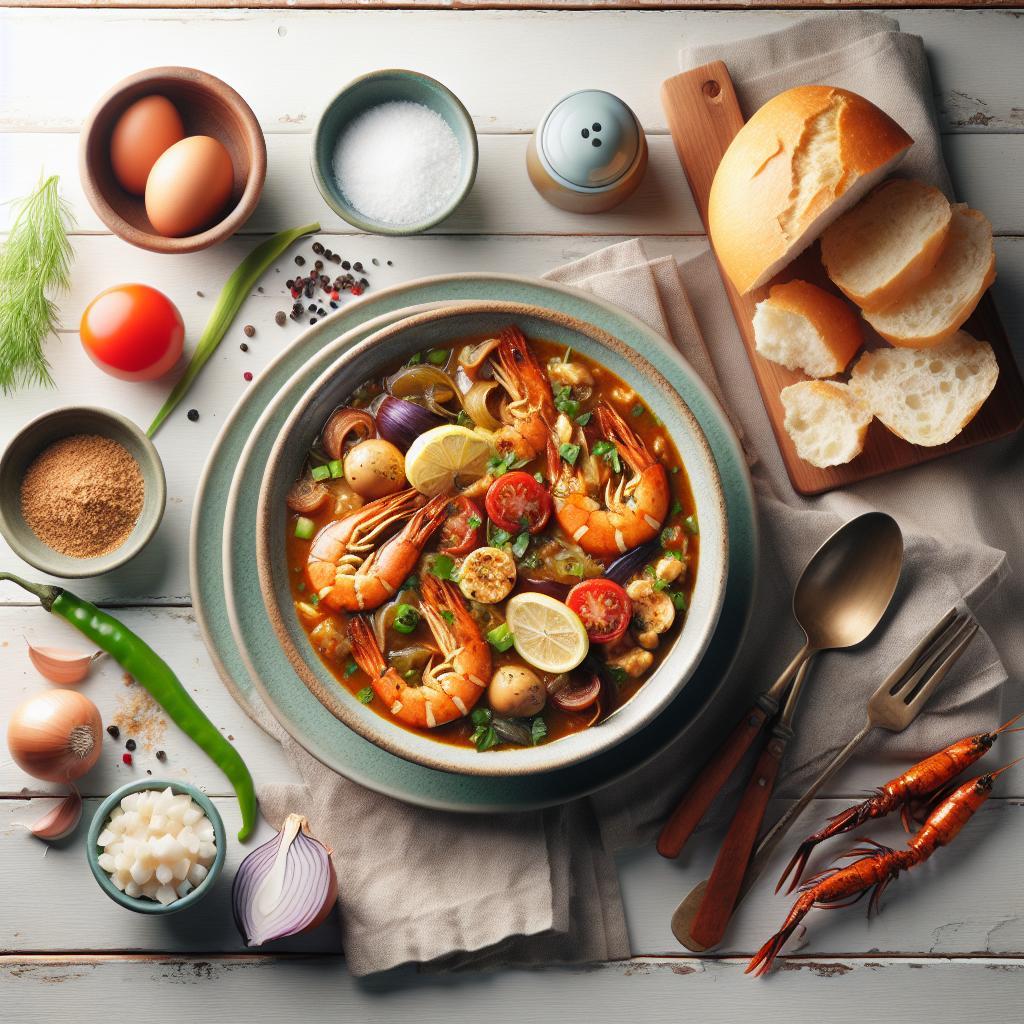
Ladle gumbo over steaming bowls of fluffy white rice, creating a comforting base to soak up every savory drop. Garnish liberally with chopped green onions and fresh parsley for a pop of color and brightness. Serve alongside crusty French bread or cornbread to mop every last spoonful. For beverages, a cold lager or sweet iced tea beautifully complements gumbo’s bold spices.

| Nutrition per Serving | Amount |
|---|---|
| Calories | 450 |
| Protein | 38g |
| Carbohydrates | 22g |
| Fat | 18g |
For more insights into Cajun classics and detailed recipe inspiration, visit our Cajun Cuisine Recipes page. Discover the roots of regional cookery and ongoing culinary traditions.
Explore the rich heritage of gumbo further through authoritative culinary history at the Historic New Orleans Collection to deepen your appreciation of this iconic dish.
Q&A
Q&A: Savor the Flavor – Your Guide to Authentic Gumbo Magic
Q1: What makes gumbo such a beloved dish in culinary traditions?
A1: Gumbo is more than just a stew; it’s a melting pot of cultures, flavors, and history all simmered into one pot. Rooted in Louisiana’s rich Creole and Cajun heritage, gumbo embodies the spirit of community and celebration. Its deep, complex flavors come from a blend of French, African, Spanish, and Native American influences, making every spoonful a story told through taste.
Q2: What are the essential ingredients that define an authentic gumbo?
A2: Authentic gumbo starts with a dark, nutty roux-a careful blend of flour and fat cooked to perfection-that forms the flavor backbone. The “holy trinity” of Cajun cooking-celery, bell peppers, and onions-adds aromatic depth. Then, depending on tradition and preference, you might find seafood, smoked sausage, chicken, or a combination of these, enhanced with okra or filé powder for that signature gumbo texture and flavor.
Q3: How important is the roux in gumbo, and how do you master it?
A3: The roux is gumbo’s heart and soul. Getting it right is an art form; a perfectly cooked roux provides a rich, velvety base and that deep caramelized flavor everyone craves. Patience is key-it takes time and a steady hand over medium heat to transform simple flour and oil into a luscious brown or even chocolate-colored foundation without burning it.
Q4: Can gumbo be customized for different tastes or dietary needs?
A4: Absolutely! Gumbo is wonderfully versatile. Traditional recipes can be adapted with vegetarian versions featuring mushrooms and beans, or seafood-only gumbos for pescatarians. Spices can be adjusted to suit your heat preference, and gluten-free roux alternatives can make this classic dish accessible to all. Gumbo is all about embracing flavors while honoring your unique palate.
Q5: What tips can help home cooks capture that authentic gumbo magic?
A5: Start by gathering fresh, quality ingredients and don’t rush the roux. Layer your flavors carefully-each component should harmonize and build upon the last. Simmer slowly to let the ingredients meld, and taste often, adjusting seasoning as you go. Finally, let the gumbo rest a bit before serving; this allows the flavors to deepen even further, turning your kitchen into a place of true Creole enchantment.
Q6: How should gumbo be served to best enjoy its flavors?
A6: Gumbo is traditionally ladled over a bed of fluffy white rice, which acts as the perfect canvas to soak up its rich sauce. Garnish with fresh parsley or green onions for a burst of color and freshness. Serve with crusty French bread on the side to mop up every last drop of that soulful sauce.
Q7: Why is gumbo considered a social and cultural experience, not just a meal?
A7: Gumbo’s roots are entwined with gatherings-family reunions, festivals, and Sunday suppers. It’s hearty, warming, and meant to be shared. Each pot of gumbo tells a tale of heritage, resilience, and joy, making every bite a connection to the past and a celebration of life’s flavors together. It’s food that feeds the soul as much as the body.
Key Takeaways
As the last spoonful of gumbo lingers on your palate, you realize that this beloved dish is more than just a meal-it’s a celebration of culture, history, and heart. From the fragrant spices to the slow-simmered depths of flavor, authentic gumbo is a culinary journey that invites you to savor every moment. Armed with this guide, you’re ready to bring a little magic from the bayous into your own kitchen, creating soulful bowls that tell a story with each bite. So, gather your ingredients, embrace the tradition, and let your gumbo be the flavorful bridge connecting past and present, family and friends, plate and passion. Here’s to the magic of gumbo-may every spoonful nourish your body and spirit alike.