
In the colorful tapestry of Korean cuisine, bibimbap stands out as a vibrant symphony of flavors and textures, where fresh vegetables, hearty grains, and savory spices come together in perfect harmony. More than just a meal, bibimbap is a celebration of balance and beauty-a bowl that tells a story of tradition, nutrition, and culinary artistry. As we delve into the world of “Bibimbap Bliss,” prepare to savor the essence of Korea’s vegetable medley, exploring how this iconic dish transforms simple ingredients into a nourishing masterpiece that delights both the palate and the eye. Join us on a flavorful journey through the layers of this beloved dish, and discover why bibimbap remains a timeless symbol of wholesome indulgence and vibrant veggie harmony.
The Artful Assembly of Bibimbap Ingredients
Bibimbap Bliss begins with the vibrant, colorful layering of fresh and sautéed vegetables, creating a harmonious blend of flavors and textures that celebrate Korea’s rich culinary heritage. This dish, meaning “mixed rice,” invites you to explore the nutritional benefits each vegetable brings while mastering the balance for a visually stunning and deeply satisfying meal.
Prep and Cook Time
- Preparation: 30 minutes
- Cooking: 25 minutes
- Total Time: 55 minutes
Yield
Serves 4 generous portions
Difficulty Level
Medium – Perfect for those ready to elevate their kitchen skills with a traditional yet approachable Korean staple.
Ingredients
- 2 cups cooked white or short-grain rice, preferably warm
- 1 cup julienned carrots
- 1 cup spinach, blanched and squeezed dry
- 1 cup shiitake mushrooms, sliced
- 1 cup bean sprouts, blanched and drained
- 1 cucumber, thinly sliced
- 4 eggs, fried sunny-side-up
- 4 teaspoons toasted sesame oil
- 2 tablespoons vegetable oil, for sautéing
- Salt and pepper, to taste
- Sesame seeds, for garnish
Mastering the Perfect Gochujang Sauce Blend
Creating the ideal gochujang sauce is essential for authentic Bibimbap Bliss. This spicy-sweet chili paste brings the perfect punch of umami. To prepare the sauce blend, combine:
- 3 tablespoons gochujang (Korean chili paste)
- 1 tablespoon sesame oil
- 1 tablespoon sugar or honey
- 1 tablespoon water
- 1 teaspoon rice vinegar
- 1 clove garlic, minced
Mix well until smooth. Adjust the sweetness or heat according to your preference for a personalized touch.
Instructions
- Prepare each vegetable element: Heat 1 tablespoon vegetable oil in a skillet over medium heat. Sauté carrots lightly until just tender, approximately 3 minutes. Season with a pinch of salt.
- In the same pan, sauté shiitake mushrooms with a dash of soy sauce and pepper until golden brown, about 5 minutes, stirring occasionally to prevent sticking.
- Blanch spinach and bean sprouts: Quickly boil in salted water for 1 minute, then plunge into cold water. Drain thoroughly and season with 1 teaspoon toasted sesame oil and salt.
- Maintain your cucumber fresh and crisp: No cooking needed-just rinse and slice thinly, perfect for a cooling crunch.
- Fry eggs: In a lightly oiled pan, cook each egg sunny-side-up with the yolk runny, adding the rich, creamy texture that ties the dish together.
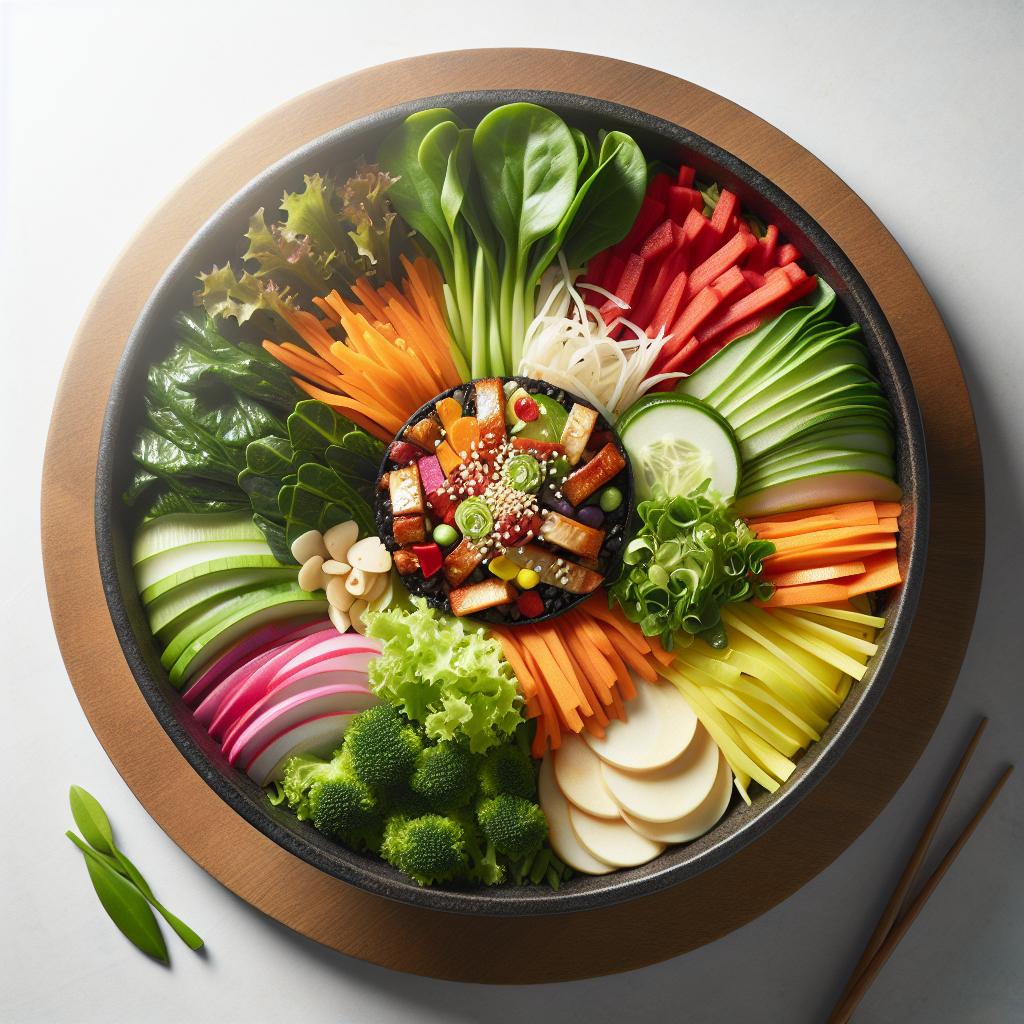
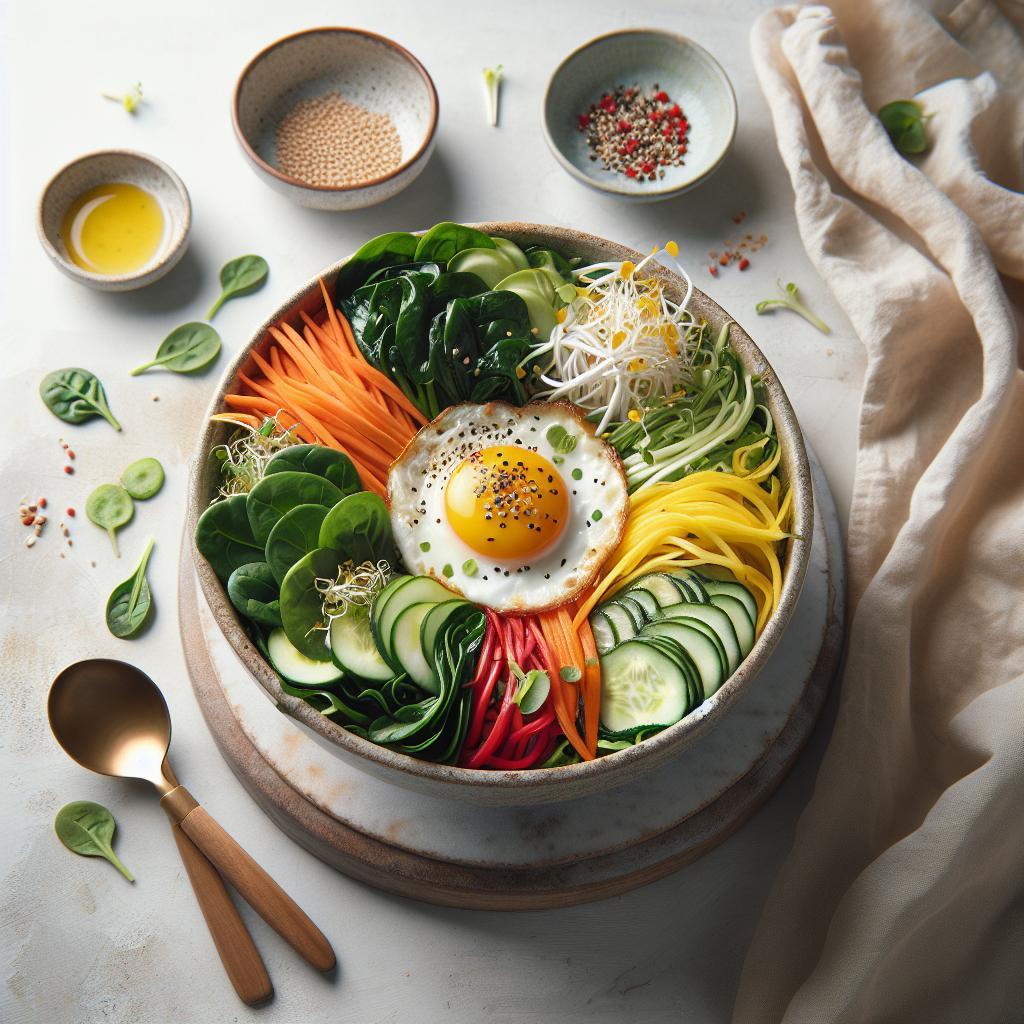
- Assemble the bowl: Place warm rice at the bottom of each bowl. Neatly arrange each vegetable section around the edges in colorful groups, then top with your fried egg.
- Drizzle with a teaspoon of toasted sesame oil for fragrance and nutty flavor.
- Serve with a generous spoonful of gochujang sauce blend on the side. Mix thoroughly just before eating to enjoy the harmonious flavors and delightful textures coming to life.
Tips for Success
- Use freshly cooked rice for best texture; day-old rice can be too dry.
- Lightly season each vegetable separately to build layers of flavor without overpowering the dish.
- For a vegan variation, omit the egg and consider adding tofu or marinated tempeh for protein.
- Prepare the gochujang sauce blend ahead and refrigerate for up to 3 days to deepen flavors.
- Keep all ingredients warm before assembly to enhance the comforting experience of Bibimbap Bliss.
Serving Suggestions
Present Bibimbap in wide, shallow bowls to showcase the vibrant colors neatly arranged in a circle. Garnish with toasted sesame seeds and finely sliced scallions for an extra pop of color and flavor. Pair with a side of kimchi and a bowl of clear broth soup for a fully authentic Korean meal.

| Nutrient | Per Serving |
|---|---|
| Calories | 520 kcal |
| Protein | 18 g |
| Carbohydrates | 70 g |
| Fat | 15 g |
Top Spots to Experience Authentic Bibimbap in Korea
For those inspired by Bibimbap Bliss and eager to taste the real deal, regions like Jeonju are world-renowned for their signature bibimbap, often incorporating over a dozen types of seasoned vegetables and savory toppings. The historic Gyeongbokgung Palace district in Seoul also offers myriad authentic eateries where Bibimbap Bliss glows with tradition in every bite.
Craving more Korean flavors at home? Check out our Korean Side Dishes Guide for perfect accompaniments.
Q&A
Q&A: Bibimbap Bliss: Savoring Korea’s Vibrant Veggie Harmony
Q1: What is bibimbap, and why is it considered a symbol of Korean cuisine?
A1: Bibimbap, literally meaning “mixed rice,” is a colorful dish that harmonizes steamed rice with an array of sautéed and seasoned vegetables, marinated beef or tofu, a fried egg, and a dollop of fiery gochujang (Korean chili paste). It’s a symbol of Korean cuisine because it beautifully exemplifies balance – in taste, texture, and nutritional value – and represents the principle of “obangsaek,” the five traditional colors of Korean food, which signify health and harmony.
Q2: How do the vibrant vegetables contribute to the character of bibimbap?
A2: The vegetables in bibimbap are not just garnish; they are the stars that create a vibrant veggie harmony. Each veggie brings its unique flavor and texture – from the crunch of cucumber and sprouts to the earthiness of spinach and fernbrake. Their differing colors also represent healthful benefits, making the dish both a feast for the eyes and the body, inviting diners into a sensory adventure with every bite.
Q3: Can you describe the experience of eating bibimbap?
A3: Eating bibimbap is an interactive delight. Once the ingredients are laid beautifully in the bowl, diners mix them together, creating a mosaic of flavors and textures. The heat from the rice and the sharp kick of spicy gochujang awaken the senses, while the freshness of the vegetables and the rich egg yolk create a comforting, soulful balance. It’s a culinary moment where order melts into joyful chaos – a perfect metaphor for life’s blend of flavors.
Q4: Are there regional variations of bibimbap across Korea?
A4: Absolutely! While the classic Jeonju bibimbap is world-renowned for its rich variety of ingredients and legendary taste, other regions add their own twist. For instance, in the mountainous Gangwon province, you might find wild greens adding unique earthy notes. Coastal versions often include fresh seafood, introducing a salty zest. Each variation honors local produce and traditions, showing how bibimbap adapts beautifully across Korean landscapes.
Q5: How can one recreate the essence of bibimbap at home while maintaining its authenticity?
A5: To recreate bibimbap’s essence, start with quality short-grain rice as your canvas. Use fresh, seasonal vegetables, lightly blanched or sautéed to preserve their integrity. The magic lies in the seasoning – sesame oil, soy sauce, garlic, and especially the gochujang – which ties everything together. Don’t rush the assembly; arrange ingredients thoughtfully, then mix thoroughly to unleash that harmonious explosion of flavors. A well-made bibimbap reflects patience, respect for ingredients, and a love for vibrant, balanced flavors.
Q6: Beyond taste, does bibimbap carry cultural or philosophical significance?
A6: Indeed, bibimbap embodies more than a meal; it’s a culinary philosophy. Rooted in Korea’s agrarian past and Confucian values, the dish emphasizes balance, unity, and respect for nature’s bounty. The five colors and ingredients symbolize harmony between humanity and the environment, health, and prosperity. Sharing bibimbap is thus an act of connection – to culture, community, and the cycle of life itself.
Bibimbap is not just food; it’s an experience – a vibrant celebration of vegetable harmony that invites you to savor Korea’s rich culinary heritage, one colorful bite at a time.
The Conclusion
As the final grains of rice disappear and the colorful medley of vegetables leaves a lingering melody on your palate, bibimbap proves itself more than just a meal-it’s a celebration of Korea’s rich agricultural heritage and culinary artistry. Each bite is a harmonious blend of textures and flavors, inviting you to savor not only the dish but the culture and tradition folded into every bowl. Whether you’re a seasoned foodie or a curious newcomer, bibimbap offers a vibrant, wholesome experience that nourishes both body and soul. So next time you seek a taste adventure, let bibimbap be your guide to Korea’s colorful garden of flavors-where every ingredient dances in delicious harmony.