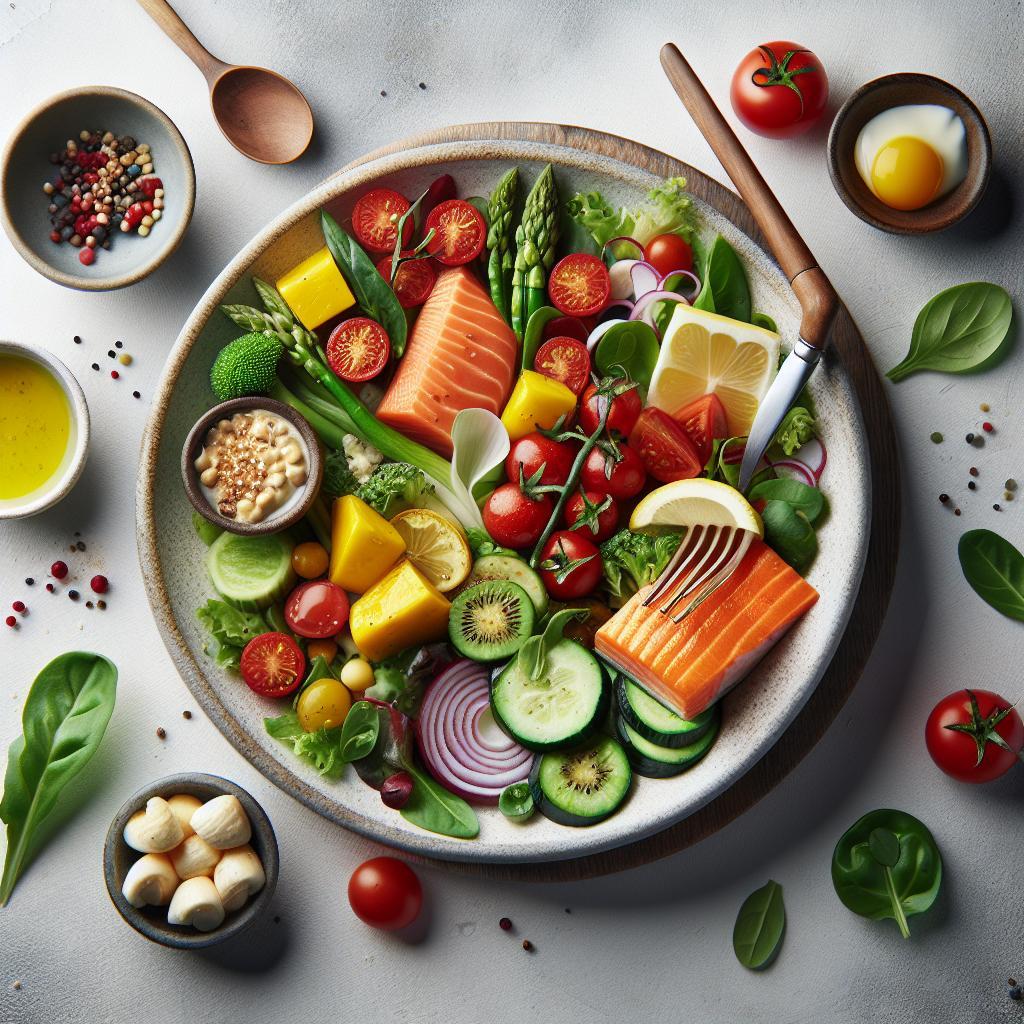

In the bustling realm of modern kitchens and cutting-edge food technology, a chill revolution is quietly transforming how we preserve flavor, texture, and nutrition. Welcome to the world of flash freezing-a swift, icy embrace that locks in freshness with the precision of a time capsule. “Freeze Fast: The Art and Science of Flash Freezing Foods” delves into this fascinating technique, where science meets culinary art to freeze food at breathtaking speeds. From the frosty whispers of liquid nitrogen to high-tech cryogenic tunnels, flash freezing isn’t just about cold-it’s about capturing nature’s bounty at its peak, preserving taste and quality like never before. Join us as we explore the chilling mastery behind this freezer miracle, unveiling how rapid freezing redefines our relationship with food and reshapes the future of what lands on our plates.
Freeze Fast: Understanding the Science Behind Flash Freezing and Its Impact on Food Quality
Freeze Fast techniques revolutionize preserving food by halting ice crystal formation and locking in vibrant textures and intense flavors. This rapid chilling process, employed by top chefs and food scientists alike, transforms the ordinary into extraordinary with a shelf life and quality that conventional freezing simply can’t match. Dive into the science and craft behind flash freezing, and you’ll elevate your culinary preparations to restaurant-level freshness at home.
Prep and Cook Time
- Preparation: 15 minutes
- Freezing Time: 2 to 4 hours, depending on equipment and food type
Yield
Varies based on quantity of ingredients; typically preserves up to 4 servings per batch.
Difficulty Level
Medium – requires attention to detail and timing but easily mastered with practice.
Ingredients
- Fresh produce, meat, or seafood (cleaned, trimmed, and portioned for flash freezing)
- Plastic freezer-safe bags or vacuum sealer pouches
- Vacuum sealer machine (optional but recommended)
- Dry ice or liquid nitrogen (for ultra-rapid freezing, if available)
- Freezer-safe container (if not vacuum sealing)
- Labeling materials (permanent marker, freezer tape)
Instructions
- Prepare your ingredients: Wash, peel, slice, or portion your fresh produce or proteins uniformly for even freezing. Blanch vegetables briefly if needed to preserve color and enzymes.
- Pre-chill if possible: Chill your ingredients and packaging in the fridge for 30 minutes to reduce initial temperature variance.
- Package for flash freezing: Use vacuum sealing for airtight packing, removing all air to prevent freezer burn. If vacuum sealing isn’t available, tightly wrap items in plastic wrap, then place them in freezer-safe bags or containers.
- Set up your flash freezing environment: For home users, place packaged foods on a metal tray in the coldest part of your freezer or invest in a blast freezer if available.
- Initiate flash freeze: Place items so they have maximum exposure to cold air-avoid stacking until fully frozen (typically 2-4 hours). For ultra-fast freezing, carefully submerge vacuum-packed items in a dry ice bath for a few minutes, then store in the freezer.
- Transfer and store: Once fully frozen solid, move items to more insulated freezer containers to maintain a stable temperature and avoid thaw/refreeze cycles.
- Label and record the freeze date: Use freezer tape and marker for easy identification and rotate your stock based on first-in, first-out principles.
Chef’s Notes: Tips for Success
- Uniform pieces freeze faster: Cutting ingredients into equal sizes prevents uneven freezing and texture loss.
- Blanch vegetables briefly: This stops enzyme activity, preserving vibrant color and crispness during freezing and reheating.
- Avoid refreezing thawed food: Each freeze-thaw cycle damages cells, worsening texture and flavor.
- Invest in a blast freezer: A professional-grade blast freezer exponentially improves freezing speed and quality, perfect for flash freezing delicate ingredients.
- Vacuum sealing is a game-changer: It prevents moisture loss, freezer burn, and contamination for extended shelf life and peak flavor retention.
- For fruits, add a touch of sugar or syrup before freezing: This helps stabilize cell structure and enhance mouthfeel after thawing.
Serving Suggestions
Flash frozen ingredients unlock endless culinary creativity. Reheat vegetables gently in a sauté pan to preserve their crispness or toss flash-frozen fruits directly into smoothies and desserts for pure, fresh flavor bursts.
For flash frozen proteins, thaw under refrigeration and finish by searing or grilling to achieve luscious textures reminiscent of fresh-cooked dishes. Garnish with fresh herbs, a squeeze of lemon, or a drizzle of quality olive oil to highlight their preserved vibrancy.
| Nutrient | Per Serving |
|---|---|
| Calories | 120-220 (varies by ingredient) |
| Protein | 15-25 g |
| Carbohydrates | 5-15 g |
| Fat | 2-8 g |
Discover more about preserving freshness with proper food storage techniques on our Guide to Food Storage. For scientific insights on freezing technology, check out the FDA’s resource on safe freezing practices here.

Q&A
Q&A: Freeze Fast: The Art and Science of Flash Freezing Foods
Q1: What exactly is flash freezing, and how does it differ from regular freezing?
A: Flash freezing is like the superhero of freezing methods-it rapidly freezes food at ultra-low temperatures, often within minutes. Unlike regular freezing, which slowly turns foods to ice and can create large ice crystals that damage cellular structures, flash freezing locks in freshness by forming tiny ice crystals. This means your strawberries, seafood, or vegetables keep their texture, flavor, and nutritional value much better.
Q2: Why is the speed of freezing so crucial in preserving food quality?
A: Think of it as a race against time-slow freezing allows water inside food cells to form large ice crystals, which puncture cell walls and lead to mushy textures and flavor loss after thawing. Flash freezing wins this race, stopping ice crystals from growing too big and thus preserving the food’s original taste, vibrant colors, and satisfying crunch.
Q3: What kind of foods benefit most from flash freezing?
A: It’s a versatile technique but especially magical for delicate items like berries, fresh seafood, herbs, and prepared meals. Foods with high water content or a delicate texture flourish with flash freezing because it maintains their integrity, making them nearly as good as fresh when thawed.
Q4: Is flash freezing only a commercial technique, or can home cooks use it too?
A: While commercial flash freezing uses industrial equipment like liquid nitrogen or blast freezers, home cooks can embrace the spirit of flash freezing by freezing items individually on trays to avoid clumping and using the coldest part of the freezer. Although it won’t be as rapid, these methods help minimize ice crystal damage and improve freezer burn resistance.
Q5: How does flash freezing impact the nutritional profile of foods?
A: Flash freezing acts like a nutritional time capsule. By freezing food quickly, it halts enzyme activity that can degrade vitamins and antioxidants. As a result, flash-frozen fruits and veggies often retain more nutrients compared to fresh counterparts left sitting over time or slow-frozen products.
Q6: What are some innovative uses of flash freezing beyond simple food storage?
A: Chefs and food artisans have embraced flash freezing as a means to create unique textures-from ultra-smooth sorbets to crunchy herb garnishes. Molecular gastronomy often uses flash freezing to sculpt edible art or capture fleeting flavors at peak freshness, transforming ordinary dishes into extraordinary experiences.
Q7: Can flash frozen foods be refrozen?
A: Generally, it’s best to avoid refreezing, as repeated freezing and thawing degrade texture and flavor regardless of the method. However, because flash freezing minimizes ice crystal damage initially, flash-frozen foods can sometimes withstand one gentle refreeze better than conventionally frozen items.
Whether you’re a curious foodie or a kitchen wizard, understanding the art and science of flash freezing unlocks new levels of freshness and flavor. It’s a chillingly clever technique that brings the best of nature’s bounty to your plate-fast, fresh, and fantastic!
Closing Remarks
As we unwrap the frosty marvels of flash freezing, it becomes clear that this artful chill is much more than a simple pause button for our foods-it’s a gateway to preserving nature’s freshest flavors and textures with scientific precision. From the kitchen experiments of curious chefs to the advanced technologies powering frozen aisles worldwide, flash freezing transforms fleeting moments into enduring delights. So next time you thaw a perfectly preserved berry or slice into a flawlessly crisp vegetable, remember the invisible dance of cold that captured its essence in time. In the realm of food preservation, flash freezing isn’t just a technique-it’s a tasteful blend of innovation and magic, keeping freshness alive, one icy instant at a time.