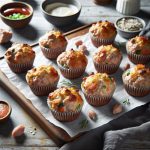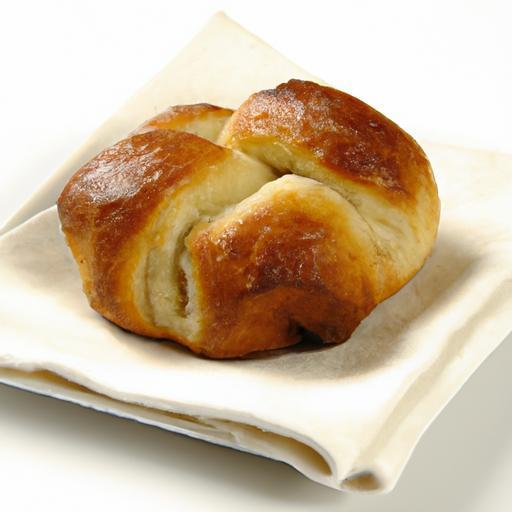

There’s nothing quite like the aroma of freshly baked goods – that warm, inviting scent that promises comfort and delight with every bite. But once the oven timer dings and the golden treats emerge, the true challenge begins: how to keep that just-baked magic alive? Whether it’s a crusty loaf of bread, delicate pastries, or fluffy muffins, storing baked goods correctly can be the difference between days of deliciousness and a sad, stale reality. In this article, we unravel the top secrets to preserving your baked treasures, so every bite tastes as fresh as the moment they came out of the oven. Say goodbye to waste and hello to heavenly freshness!
Choosing the Perfect Container for Every Baked Good: Keep Fresh Secrets
Keeping your homemade breads, cookies, and cakes deliciously fresh requires more than just baking prowess-it demands an intimate understanding of storage. Choosing the perfect container for every baked good is a subtle art that dramatically influences flavor retention and texture preservation. Whether it’s the crisp crust of a rustic loaf or the tender crumb of a delicate sponge, your storage method can make all the difference.
Prep and Cook Time
- Prep Time: 5 minutes (for storage preparation)
- Cook Time: Not applicable (storage technique focus)
Yield
Suitable for storing approximately 6-12 servings of baked goods, depending on size and type.
Difficulty Level
Easy – Suitable for bakers of all experience levels eager to master freshness preservation.
Ingredients
- Glass or airtight plastic storage containers with tight-sealing lids
- Wax paper sheets or parchment paper
- Aluminum foil (preferably heavy-duty)
- Plastic wrap (cling film)
- Reusable silicone bags or freezer-safe bags
- Dry rice or silica gel packets (optional for humidity control)
- Paper towels or clean kitchen towels
Instructions
- Select the Ideal Container: For crunchy crusts like artisan breads, opt for bread boxes or paper bags that allow airflow-this maintains crust integrity without trapping moisture. For soft items such as muffins or brownies, choose airtight glass or plastic containers to lock in moisture.
- Manage Temperature and Humidity: Store baked goods in a cool, dry cupboard away from direct sunlight. Avoid refrigerating most breads; cold ovens dry them out faster. Instead, use a container layered with a paper towel beneath your baked item to absorb excess moisture and maintain gentle humidity.
- Creative Wrapping Techniques: Layer your baked goods between sheets of wax or parchment paper inside containers to prevent sticking and allow minor breathability. For longer storage, wrap individual items tightly in plastic wrap before placing them in containers or freezer bags.
- Freeze for Longevity: To preserve for weeks or months, flash freeze on a baking sheet first, then transfer to airtight zipper bags or vacuum-sealed packs. Include a silica gel packet or dry rice sachet nearby to help manage humidity in the bag.
- Rotate and Refresh: For multi-day storage, periodically unwrap baked goods, let them breathe at room temperature for 15 minutes, then rewrap to revitalize texture-this simple trick reignites freshness.
Tips for Success
- Adjust container size: Use containers slightly larger than your baked good to allow airflow but minimal space for excess moisture to accumulate.
- Use breathable materials for crispness: Paper bags or loosely closed containers are best for crusty breads.
- Wrap single servings: Wrapping cupcakes or cookies individually prevents flavors from mingling and preserves texture.
- Temperature matters: Keep storage areas between 65-75°F for optimal freshness. Avoid storing near heat sources.
- Label and date: For long-term storage or freezing, always label containers with the date to monitor freshness timeline.
Serving Suggestions
Presentation amplifies enjoyment:
- Serve freshly stored baked goods at room temperature, removing wraps just before plating to release aromas.
- Garnish breads with a light brush of melted butter or olive oil and a sprinkle of fresh herbs for added appeal.
- Pair stored cookies with complementary dips like rich chocolate ganache or spiced caramel.
- Showcase muffins in a layered cake stand, interspersed with edible flowers or fresh fruits to brighten any table.
| Baked Good Type | Best Container | Storage Duration | Ideal Environment |
|---|---|---|---|
| Artisan Bread | Paper bag or bread box | 1-2 days | Cool, dry, ventilated |
| Cookies & Brownies | Airtight glass/plastic container | 4-5 days | Room temperature, sealed |
| Muffins & Cupcakes | Wrapped & airtight container | 3-4 days | Room temperature, moisture locked |
| Cakes (layered) | Plastic wrap + cake dome | 2-3 days | Cool, away from sunlight |
For more on extending baked goods life with smart storage, visit our complete guide or consult trusted sources about moisture control and food preservation principles.

Q&A
Q&A: Keep Fresh – Top Secrets to Storing Baked Goods Right
Q1: Why do my baked goods go stale so quickly?
A1: Baked goods lose moisture and absorb air over time, causing them to dry out or become tough. Exposure to oxygen and improper storage temperature accelerate this process. The secret is to create a cozy, airtight environment that locks in freshness and flavor.
Q2: What’s the best way to store cookies to keep them soft and chewy?
A2: Store cookies in an airtight container at room temperature with a slice of fresh bread or a dampened paper towel inside. The moisture from the bread or towel helps maintain the cookie’s softness without making them soggy-a simple trick that’s pure magic!
Q3: Can I freeze my cakes and pastries? If yes, how?
A3: Absolutely! Wrap cakes or pastries tightly in plastic wrap, then seal in a freezer bag or airtight container. Freeze for up to three months. When ready, thaw at room temperature still wrapped to prevent condensation from dampening the texture. This locks in freshness like a time capsule!
Q4: Should I refrigerate bread to keep it fresh?
A4: Generally, no. Refrigeration speeds up starch retrogradation, making bread dry and stale faster. The best option is to store bread in a paper bag or bread box at room temperature and freeze any extras. For daily use, fresh bread thrives outside the fridge!
Q5: How do I keep cupcakes fresh with the frosting intact?
A5: Place cupcakes in a single layer inside an airtight container. If frosting is delicate, chill them uncovered for 30 minutes first to firm the frosting, then cover loosely with plastic wrap before sealing. Keep cupcakes refrigerated but bring them back to room temperature before serving for optimal taste.
Q6: What about pies and tarts? How do I store those?
A6: Fruit pies and tarts can be stored tightly covered at room temperature for up to two days, then refrigerated after. Cream and custard pies require refrigeration immediately to stay safe and fresh. Cover with foil or plastic wrap to avoid drying out the crust.
Q7: Are there any universal storage hacks for all baked goods?
A7: Yes! Keep them airtight, store at the correct temperature, avoid sunlight, and separate strong-smelling foods. Also, avoid stacking too tightly to prevent squishing. Lastly, a little love-and a timely snack-goes a long way in keeping your baked treasures fresh!
With these insider secrets, your bakery delights can stay as fresh as the moment they came out of the oven-ready to wow anytime!
Future Outlook
In the end, keeping your baked treasures fresh is less about luck and more about knowing the little secrets that make all the difference. Whether it’s the perfect airtight container, the ideal temperature, or a clever trick to lock in moisture, these storage tips transform your treats from “just baked” to “fresh as the day you made them.” So next time you pull that batch from the oven, remember: with the right care, your delicious creations can stay delightfully fresh, bite after blissful bite. Happy baking-and even happier storing!