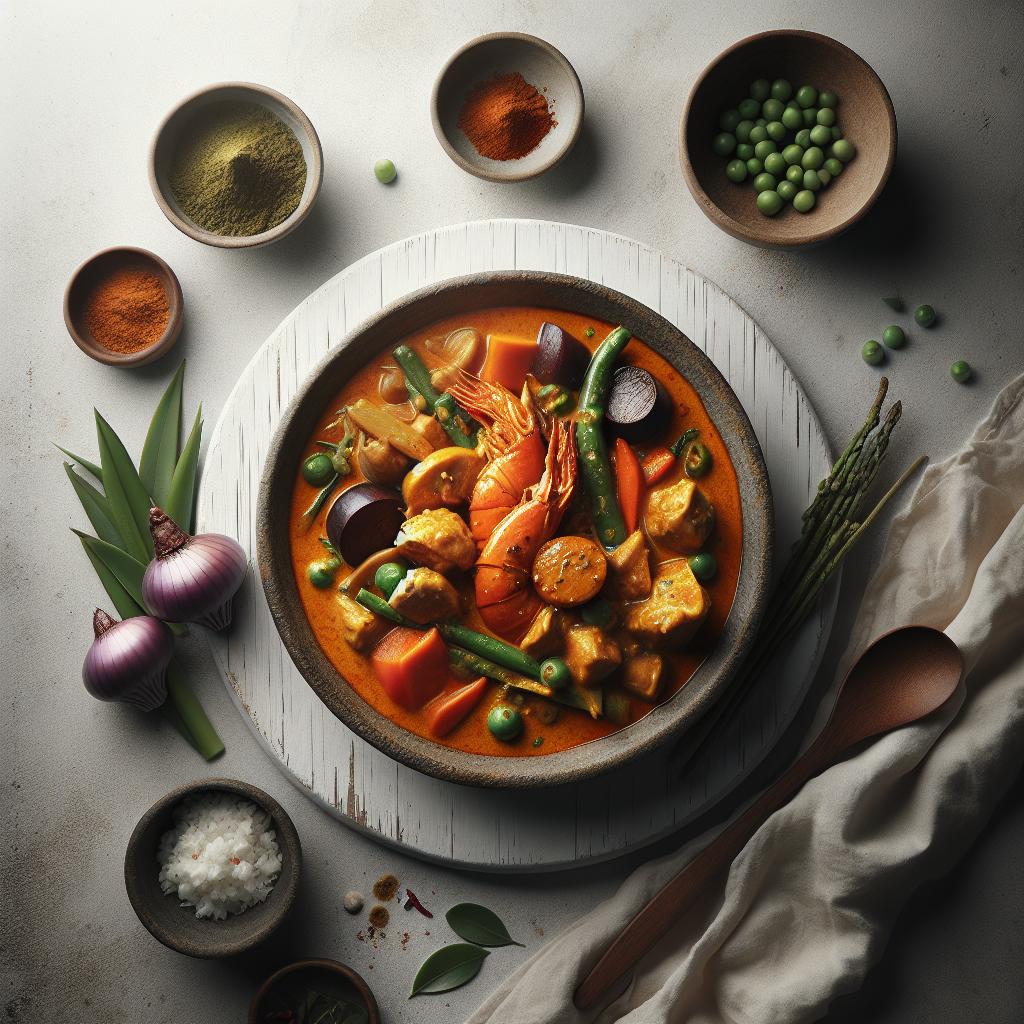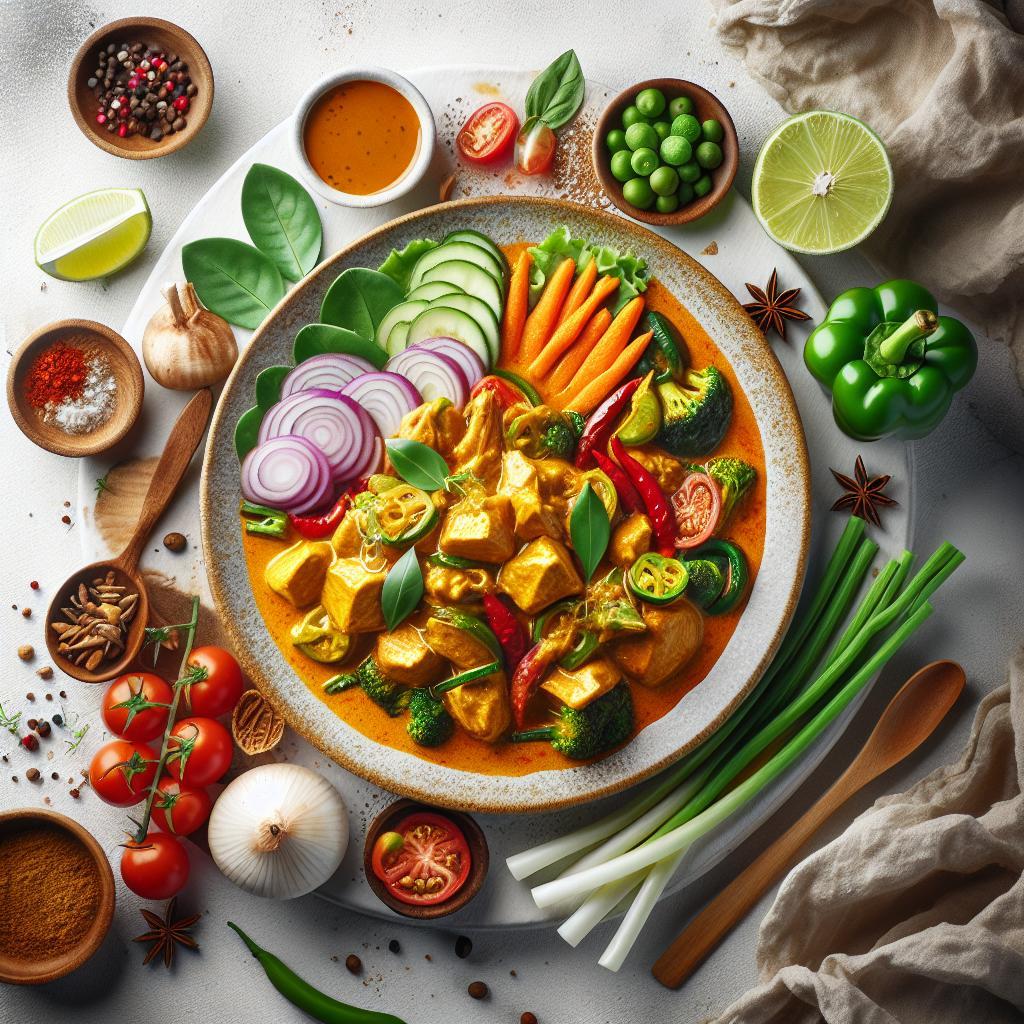

In the vast tapestry of world cuisines, few dishes tell a story as rich and aromatic as Massaman Curry. This beloved Thai classic, with its intricate blend of spices and creamy coconut essence, offers far more than a simple meal-it serves as a flavorful gateway into Thailand’s diverse heritage and cultural crossroads. Journey with us as we delve into the origins, unique ingredients, and timeless traditions that have shaped Massaman Curry into the culinary treasure it is today, inviting palates worldwide to savor a taste of history wrapped in luscious, spicy warmth.
Massaman Curry Thai is an exquisite culinary treasure that epitomizes the harmonious crossroads of Thai and Persian influences, showcasing a deeply aromatic and comforting flavor profile. Originating from Southern Thailand, this dish presents a rich blend of spices-distinct from the typical fiery Thai curries-imbuing it with a mild warmth balanced by creamy coconut milk and the subtle sweetness of palm sugar. My first taste of Massaman Curry Thai was during an unforgettable street food tour in Bangkok; the tender chunks of beef swimming in a velvety sauce decorated with roasted peanuts instantly ignited my passion for recreating this dish in my kitchen. Today, I’ll guide you through every step to master this remarkable curry, ensuring your homemade version is bursting with authentic taste and tradition.
Prep and Cook Time
- Preparation: 20 minutes
- Cooking: 1 hour 15 minutes
- Total: 1 hour 35 minutes
Yield
Serves 6 generous portions, perfect for sharing with family or friends.
Difficulty Level
Medium: Requires some basic spice preparation and attentive simmering, ideal for adventurous home cooks seeking depth of flavor.
Ingredients
- For the Massaman Curry Paste:
- 3 dried red chilies, soaked and deseeded
- 1 tsp coriander seeds, toasted
- 1 tsp cumin seeds, toasted
- 1/2 tsp whole cloves
- 5 white peppercorns
- 1/2 tsp cardamom seeds (from green pods)
- 1 small cinnamon stick (about 2 inches)
- 1 tbsp chopped galangal
- 3 cloves garlic, peeled
- 1 shallot, peeled and chopped
- 1 tbsp roasted peanuts, crushed
- 1 tbsp shrimp paste
- Main Ingredients:
- 1.5 lbs (700g) beef chuck, cut into 1.5-inch cubes
- 2 tbsp vegetable oil
- 2 cups coconut milk (full fat)
- 2 medium potatoes, peeled and quartered
- 1 large onion, sliced
- 1/4 cup roasted peanuts for garnish
- 2 tbsp tamarind paste
- 2 tbsp palm sugar (or brown sugar)
- 2 tbsp fish sauce
- 1 cup water or beef broth
- Fresh cilantro leaves for garnish
Instructions
- Prepare the Massaman Curry Paste: In a mortar and pestle or spice grinder, carefully grind the toasted coriander, cumin, cloves, peppercorns, cardamom seeds, and cinnamon stick into a fine powder. Add soaked red chilies, galangal, garlic, shallot, roasted peanuts, and shrimp paste, then pound or blend to form a smooth, fragrant paste. Tip: Adding a splash of water helps the grinding process.
- Brown the Beef: Heat vegetable oil over medium-high heat in a heavy-bottomed pot. Add beef cubes, browning evenly on all sides. Remove and set aside.
- Sauté the Curry Paste: In the same pot, add 2 tablespoons of the prepared Massaman curry paste. Sauté until aromatic, about 2-3 minutes, stirring constantly to avoid burning.
- Add Coconut Milk & Simmer: Pour in 1 1/2 cups of coconut milk, stirring to combine with the paste. Bring to a gentle simmer. Return the beef to the pot, add water or broth, and simmer uncovered for 45 minutes until tender.
- Add Vegetables & Season: Stir in sliced onions and quartered potatoes. Cook for another 20 minutes until potatoes are tender. Season with tamarind paste, fish sauce, and palm sugar, adjusting to your preferred balance of tangy, salty, and sweet flavors.
- Finish and Garnish: Remove from heat and let rest for 10 minutes. Serve topped with roasted peanuts and fresh cilantro leaves for an authentic finish.
Tips for Success
- Spicy Level: Adjust the number of dried chilies in the curry paste to tame or intensify heat according to your palate.
- Protein Variations: While beef is traditional, chicken or lamb also pair wonderfully with Massaman curry’s rich sauce.
- Make-Ahead: The curry’s flavors deepen beautifully when prepared a day in advance and gently reheated.
- Ingredient Substitutes: If fresh galangal isn’t accessible, ginger can be a mild substitute, though flavor will vary slightly.
- Consistency: For a thicker curry, simmer uncovered longer; add more broth for a soupier texture.
Serving Suggestions
Serve Massaman Curry Thai piping hot alongside fragrant jasmine rice or sticky rice to soak up every luscious bite. For a colorful presentation, garnish with crushed roasted peanuts, a sprinkle of chopped cilantro leaves, and finely sliced red chilies. A crisp, fresh cucumber salad creates a cooling contrast, while sweet Thai iced tea or a chilled Belgian-style wheat beer complements the creamy, savory notes of the curry.

| Nutrient | Per Serving |
|---|---|
| Calories | 420 kcal |
| Protein | 35 g |
| Carbohydrates | 18 g |
| Fat | 24 g |
For those eager to deepen their Thai culinary skills, explore more on Thailand Street Food Guide. To expand your spice knowledge, the extensive National Geographic article on Massaman Curry history offers rich cultural context and additional insights.
Q&A
Q&A: Massaman Curry Thai – A Flavorful Dive into Rich Tradition
Q1: What makes Massaman curry stand out among other Thai curries?
A1: Massaman curry is a captivating blend of Thai and Persian influences, distinguished by its rich, aromatic spices and creamy coconut milk base. Unlike the fiery heat typical of many Thai curries, Massaman offers a milder, sweeter, and more complex flavor profile rooted in cardamom, cinnamon, cloves, and peanuts. This curry invites you into a story of cultural fusion and culinary artistry.
Q2: Where does Massaman curry originate from?
A2: Massaman curry traces its roots back to the Muslim communities in Southern Thailand, carrying whispers of Persian and Indian culinary traditions. The word “Massaman” itself is believed to be a Thai adaptation of “Muslim,” reflecting its heritage. Over centuries, it has harmoniously blended with Thai ingredients and cooking techniques to become a beloved national dish.
Q3: What are the key ingredients that define Massaman curry?
A3: The heart of Massaman curry beats with tender chunks of meat-often beef or chicken-slow-cooked in a velvety sauce made from coconut milk, roasted peanuts, potatoes, and a unique spice blend including cinnamon, star anise, cardamom, and tamarind paste. This combination balances sweetness, sourness, and subtle warmth, resulting in a flavor symphony unlike any other.
Q4: How is Massaman curry traditionally prepared in Thai kitchens?
A4: Traditional preparation starts with roasting whole spices to unlock their aromatic oils, then grinding them into a fragrant curry paste. This paste is gently fried in oil before coconut milk is added, followed by the meat and vegetables for slow simmering. Layers of flavor develop over time, making patience an essential ingredient in authentic Massaman curry.
Q5: Can Massaman curry be adapted for different dietary preferences?
A5: Absolutely! While traditionally made with beef or chicken, Massaman curry lends itself beautifully to vegetarian and vegan adaptations. By substituting meat with tofu, mushrooms, or hearty vegetables like eggplant and sweet potatoes, the dish remains just as satisfying, carrying its rich flavors with a plant-based twist.
Q6: Why is Massaman curry considered a symbol of Thailand’s culinary diversity?
A6: Massaman curry embodies Thailand’s history of cultural exchange and openness. It beautifully combines foreign spices with local ingredients, celebrating a melting pot of traditions, religions, and flavors. This dish is more than a meal-it’s a delicious narrative of unity and diversity on a plate.
Q7: How should one best enjoy Massaman curry?
A7: Traditionally served over fragrant jasmine rice, Massaman curry invites slow, mindful dining. Its rich sauce pairs excellently with a crisp side salad or pickled vegetables that cut through the creaminess. Complement with a refreshing Thai iced tea or a crisp white wine to enhance the dining experience.
Q8: What’s the best way to experience the authentic taste of Massaman curry at home?
A8: Start with fresh, quality ingredients and don’t rush the cooking process. Invest in whole spices and roast them yourself for maximum aroma. Embrace the balance of flavors-sweet, salty, sour, and savory-and taste as you go. Cooking Massaman curry is both an art and a journey into the heart of Thai tradition.
This Q&A serves as a flavorful passport to the world of Massaman curry, revealing its rich heritage and timeless appeal. Enjoy your culinary exploration!
In Conclusion
As the aromatic layers of Massaman curry gently fade from the palate, they leave behind a story steeped in history and cultural fusion-a testament to Thailand’s rich culinary tradition. This beloved dish, with its harmonious blend of spices and tender ingredients, invites us to savor not just a meal, but a flavorful journey through time and heritage. Whether enjoyed in a bustling Bangkok market or recreated in your own kitchen, Massaman curry remains a vibrant symbol of tradition, inviting every food lover to dive deeper into the delicious tapestry of Thai cuisine.