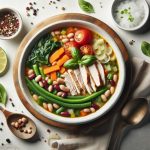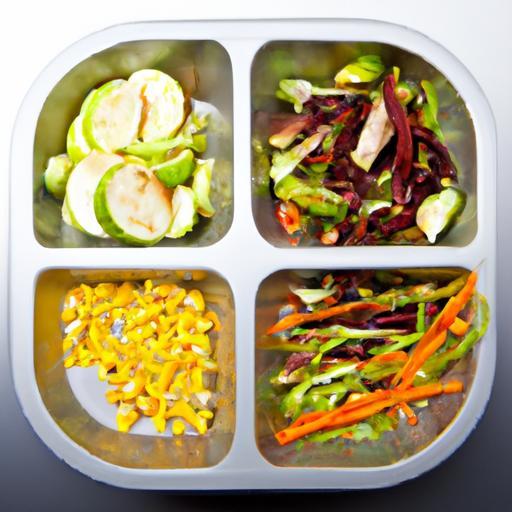

In the rhythm of a busy week, meal prepping can be the secret ingredient to saving time, cutting stress, and savoring homemade goodness every day. But there’s an art to mastering meal prep that goes beyond chopping and cooking-it’s about storing ingredients separately to preserve freshness, flavor, and nutrition. Imagine opening your fridge to a vibrant collection of prepped components, each ready to combine effortlessly into delicious meals. In this article, we’ll explore smart, creative tips to help you organize, store, and safeguard your ingredients like a culinary pro, turning your kitchen into a well-oiled meal-prep machine. Get ready to revolutionize the way you prepare, store, and enjoy your food!
Master Meal Prep: Smart Tips for Storing Ingredients Separately
Embarking on a journey to streamline your weekly cooking sessions begins with mastering how to store ingredients for optimal longevity and freshness. Choosing the right approach means your vibrant veggies stay crisp, your proteins retain their juicy flavors, and the taste of every component shines through when it’s time to assemble your meals. With the right containers, thoughtful separation by texture and moisture, and smart refrigeration or freezing practices, you set yourself up for effortless meal prep success every single time.
Prep and Cook Time
Prep Time: 20 minutes
Cook Time: N/A (storage and organization focus)
Yield
Varies depending on meal prep quantity, suitable for 4-6 days of ingredient storage
Difficulty Level
Easy – Perfect for beginners and seasoned meal preppers alike
Ingredients
- Glass or BPA-free plastic containers with airtight lids in multiple sizes
- Silicone or parchment paper for separating delicate items
- Reusable silicone bags or vacuum-seal bags for freezing
- Labels and waterproof markers for clear, easy organization
- Paper towels to absorb excess moisture when storing leafy greens or herbs
- Clean, dry dish towels to ensure containers are moisture-free before storage
- Fridge and freezer thermometer to monitor temperatures for optimal ingredient longevity
Instructions
- Choose containers wisely. Opt for clear glass containers with airtight lids for easy visibility and maximum freshness. Smaller containers work well for sauces or dressings, while larger containers suit bulkier ingredients like chopped vegetables or cooked grains. Using stackable containers not only saves space but improves kitchen ergonomics when retrieving items.
- Separate ingredients by texture and moisture levels. For example, pack crunchy vegetables like carrots and celery separately from juicy tomatoes and cucumbers to prevent sogginess. Place leafy greens on a layer of paper towels inside a container to absorb moisture, maintaining crispness. When prepping different grains or proteins, keep them in individual containers to preserve their individual textures.
- Implement a clear labeling system. Label each container not just with the ingredient but also the prep date, and if relevant, best-before date. Use waterproof markers and place labels on the lids or sides for easy scanning. Organize ingredients on the shelves by category (proteins, grains, vegetables), making meal assembly intuitive and time-efficient.
- Master refrigeration techniques. Store perishable items like fresh herbs and berries in high-humidity drawers, wrapped loosely in paper towels to reduce condensation. Proteins should be kept on the lowest shelf to avoid cross-contamination through drips, while dairy and eggs find their best spot in the main body of the fridge, not the door.
- Utilize smart freezing practices. When freezing ingredients, remove as much air as possible using vacuum-sealing or tightly sealed bags to prevent freezer burn. Freeze grains and proteins in portioned sizes for quick thawing. Lay flat to freeze items such as sauces or purees for better space management. Thaw in the fridge overnight to maintain texture and safety.
Chef’s Notes: Tips for Success
- Switch to silicone lids when possible – they create flexible seals and cut down on plastic waste.
- For leafy greens, try wrapping in a lightly damp paper towel before placing them in a container; this maintains hydration without sogginess.
- If refrigeration space is limited, stack containers from heaviest at the bottom to lightest on top to avoid crushing delicate items.
- Do a weekly inventory to discard any ingredients past peak freshness, so your meal prep stays inviting and prevents waste.
- Keep a designated pickup zone in your fridge for meal prep containers, so you always know where to find your components.
Serving Suggestions
Prepped and stored ingredients become the canvas for vibrant meals. Layer fresh vegetables over grains, add proteins, and dress as desired for colorful salads, warm bowls, or handheld wraps. Garnish with fresh herbs like cilantro or basil, toasted nuts, and a final squeeze of citrus to elevate every bite. For visual appeal, serve ingredients in clear bowls or glass containers so the colors pop and stimulate appetite-making your meal prep as beautiful as it is practical.

| Storage Tip | Best Ingredients | Ideal Storage Conditions | Shelf Life |
|---|---|---|---|
| Airtight Glass Containers | Chopped vegetables, cooked grains | Refrigerate at 34-40°F (1-4°C) | 3-5 days |
| Vacuum-Sealed Bags | Proteins, pre-cooked meals | Freeze at 0°F (-18°C) or below | 1-3 months |
| Paper-Towel Lined Containers | Leafy greens, herbs | High humidity drawer in fridge | 3-7 days |
| Silicone Bags | Fruits, sauces | Freeze or refrigerate as needed | Varies by ingredient |
Ready to take your meal prep a step further? Check out our guide on vegetable prep techniques for quick chopping and storing hacks. For authoritative insights on food safety and storage, explore resources from the USDA Food Safety and Inspection Service.
Q&A
Q&A: Master Meal Prep – Smart Tips for Storing Ingredients Separately
Q1: Why is it important to store meal prep ingredients separately?
A: Storing ingredients separately preserves their freshness, texture, and flavor. It prevents sogginess, mixing of strong aromas, and nutrient loss. For example, keeping dressings and crunchy greens apart ensures your salad stays crisp until mealtime.
Q2: What are the best containers for separate ingredient storage?
A: Clear, airtight containers in various sizes work wonders. Glass containers are great for sustainability and durability, while BPA-free plastic options offer lightness and stackability. Mason jars are perfect for layered salads or overnight oats.
Q3: How can I organize my fridge for separate ingredients without chaos?
A: Dedicate zones-like a veggie drawer for fresh produce, a shelf for proteins, and a drawer for sauces and dressings. Label containers with dates and contents to keep things neat, accessible, and safe.
Q4: Are there specific ingredients that benefit most from separate storage?
A: Absolutely! Leafy greens, crispy vegetables, cooked grains, proteins, and sauces all thrive when kept separately. For example, grilled chicken stays succulent when not sitting in rice’s moisture, and nuts preserve crunch when kept dry.
Q5: How long can separately stored ingredients last?
A: It depends on the ingredient. Generally, fresh veggies last 3-5 days, cooked proteins about 4 days, and grains up to a week refrigerated. Always trust your senses-check smell, look, and texture before eating.
Q6: Any tips for efficient meal assembly after storing ingredients separately?
A: Yes! Pre-portion ingredients right after cooking to speed things up. Use stackable containers for space-saving, and keep frequently paired components close for quick grabbing. A little prep upfront means a smooth, fresh meal every time.
Q7: Can storing ingredients separately help reduce food waste?
A: Definitely! When ingredients are stored properly and separately, you can mix and match meals without forcing you to use everything at once. This flexibility helps you consume all your food before it spoils, cutting down waste.
Q8: How do I keep sauces and dressings fresh when stored separately?
A: Store them in small airtight containers or jars. For vinaigrettes, keep the oil and vinegar mixed and shake before use; creamy dressings benefit from a quick stir. Avoid double-dipping to maintain hygiene and freshness.
Master meal prepping isn’t just about cooking in bulk-it’s about smart storage that keeps your ingredients vibrant and your meals exciting. Separate, savor, and enjoy!
The Way Forward
Mastering the art of meal prep goes beyond just cooking in advance-it’s about honoring each ingredient’s unique needs through smart, separate storage. By keeping your components distinct and fresh, you unlock a world of flavor, convenience, and flexibility that transforms your weekly meals from routine to remarkable. So, embrace these smart storage strategies, and watch as your kitchen becomes a well-orchestrated hub where freshness thrives and creativity flows. After all, the secret to effortless, delicious meals lies not just in preparation, but in preservation-and the savvy cook who knows how to store wisely is already halfway to culinary success.