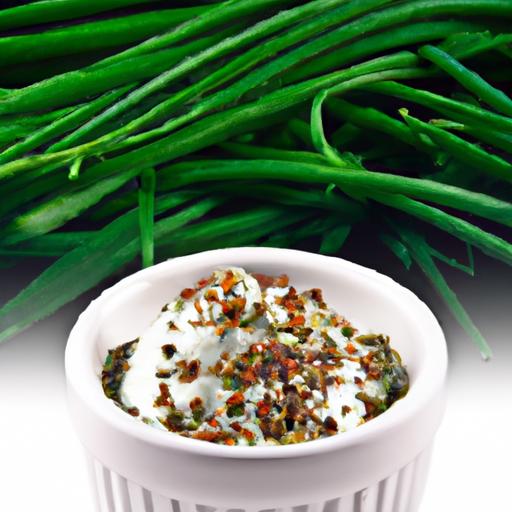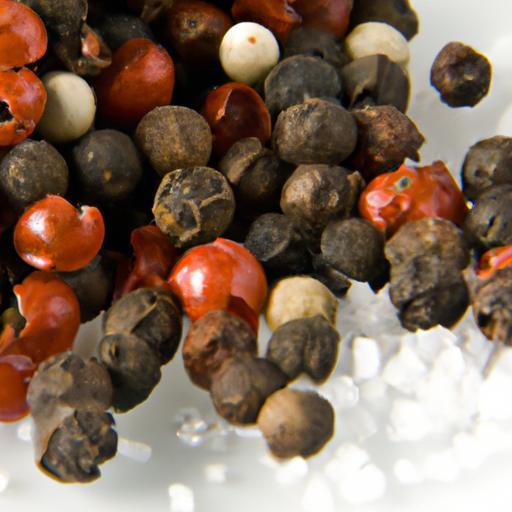

In the vast world of culinary arts, two tiny granules have long held a place of honor on dining tables and kitchen counters alike: salt and pepper. Often dismissed as mere basics, these humble seasonings are far more than just simple accompaniments-they are the unsung heroes that transform ordinary dishes into unforgettable experiences. But are salt and pepper truly secret ingredients with magical powers, or are they simply the reliable staples that provide balance and bring out the natural flavors of food? This article peels back the layers on these age-old seasonings, exploring their history, chemistry, and cultural significance to uncover whether salt and pepper deserve their legendary status or if their greatness lies in their simplicity.
Salt and pepper have long been celebrated as the dynamic duo of seasoning, elevating dishes with their subtle yet profound chemistry. Their role extends beyond simple taste enhancement-they unlock a symphony of flavors and balance, making each ingredient sing. Whether you’re seasoning a rustic stew or a delicate salad, mastering the interplay between salt and pepper transforms your cooking into an art form.
Prep and Cook Time
Preparation: 10 minutes
Cooking: Varies depending on dish (typically 20-30 minutes)
Total Time: 30-40 minutes
Yield
Serves 4 comfortably
Difficulty Level
Easy to Medium – perfect for home cooks eager to refine their seasoning skills.
Ingredients
- 1 teaspoon kosher salt (or sea salt for more delicate flakes)
- ½ teaspoon freshly ground black pepper (use whole peppercorns for best flavor)
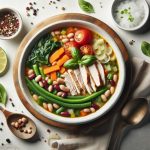
- 2 cups mixed vegetables (such as carrots, bell peppers, and snap peas, chopped)
- 1 tablespoon olive oil (extra virgin for richness)
- 1 pound chicken breast, trimmed and sliced into thin strips
- 1 teaspoon garlic powder (optional, boosts umami)
- Fresh herbs like thyme or parsley, finely chopped, for garnish
Instructions
- Prepare the ingredients: Rinse vegetables and pat dry to ensure they sauté evenly. Slice chicken breast into thin, uniform strips.
- Season the chicken: Generously sprinkle kosher salt and freshly ground black pepper over the chicken pieces, ensuring each strip is well coated. This allows the salt to tenderize while the pepper adds a peppery bite.
- Heat the pan: Warm olive oil in a large skillet over medium-high heat. The oil should shimmer but not smoke.
- Sauté chicken: Add the seasoned chicken strips to the pan. Cook for approximately 4-5 minutes per side until the chicken attains a golden brown crust. Stir occasionally to avoid sticking and ensure even color.
- Add vegetables and seasoning: Fold in mixed vegetables and sprinkle with garlic powder. Continue to sauté for an additional 6-8 minutes until vegetables are tender-crisp and vibrant.
- Adjust seasoning: Taste and add a pinch more salt or pepper as needed. Remember, seasoning is about balance-small increments make a big difference.
- Garnish and serve: Remove from heat and sprinkle fresh herbs over the dish for a burst of color and aroma. Serve immediately while warm.
Chef’s Notes: Tips for Success
- Choose high-quality salt: Use flaky sea salt or kosher salt to give your dishes a complex texture and taste. Avoid overly fine salts that can over-salt easily.
- Freshly grind your pepper: Pre-ground pepper loses its essential oils and sharpness; grinding fresh just before use unlocks deeper, more vibrant notes.
- Layer your seasonings: Salt and pepper aren’t just finishing touches but integral flavor building blocks-season meat, vegetables, and even cooking oil thoughtfully.
- Customize the pepper: Try using white, pink, or even green peppercorns for different pungency levels and visual appeal.
- Make ahead: Marinate chicken with salt, pepper, and herbs for 30 minutes to enhance moisture retention and flavor complexity.
Serving Suggestions
This simple yet profound chicken and vegetable sauté pairs beautifully with fluffy basmati rice or a rustic crusty bread to soak up the juices. For a fresh contrast, consider a crisp green salad dressed with lemon vinaigrette. Garnish with lemon zest or a drizzle of extra virgin olive oil to amplify brightness and finish the dish with elegance.

| Nutrient | Amount per Serving |
|---|---|
| Calories | 280 kcal |
| Protein | 35 g |
| Carbohydrates | 8 g |
| Fat | 9 g |
Discover more about seasoning mastery on our Ultimate Guide to Seasoning, and deepen your understanding of flavor balance. For a fascinating dive into the science behind salt’s role in cooking, visit Scientific American.
Q&A
Q&A: Salt & Pepper – Secret Ingredients or Simple Seasonings?
Q1: Why do salt and pepper hold such a revered spot on dining tables worldwide?
A1: Salt and pepper are culinary icons, time-tested and transcending cultures. Salt enhances and balances flavors by amplifying sweetness and masking bitterness, while pepper adds a subtle heat and complexity. Together, they transform ordinary dishes into memorable experiences, making them indispensable staples.
Q2: Are salt and pepper really just basic seasonings, or do they possess secret qualities that elevate food?
A2: Though seemingly simple, salt and pepper are far from ordinary. Salt’s molecular magic allows it to unlock hidden flavors, while the piperine in black pepper stimulates the palate and digestion. They’re culinary alchemists-simple in appearance but powerful in impact-making them secret ingredients in disguise.
Q3: How did salt and pepper become traditional pairings instead of other spice combinations?
A3: History and practicality led to their partnership. Salt has been treasured since antiquity for preservation and seasoning. Black pepper, once dubbed “black gold,” was a luxury spice that added warmth and intrigue. Over time, their complementary nature-a harmonious duo of savoriness and spice-cemented their iconic status.
Q4: Can salt and pepper be considered healthy, or are they just flavor enhancers?
A4: Moderation is key. Salt provides essential sodium needed for nerve and muscle function, but excess intake can raise blood pressure. Black pepper offers antioxidants and may aid digestion and nutrient absorption. Together, they provide culinary and subtle health benefits when used thoughtfully.
Q5: How can cooks use salt and pepper creatively beyond the basic sprinkle?
A5: Play with textures and timing! Try finishing dishes with flaky sea salt for crunch or freshly ground pepper for vibrant aroma. Experiment with different salts-smoked, Himalayan, or fleur de sel-and pepper varieties like Tellicherry or Sichuan. Infuse oils or marinades to unlock new dimensions, proving these classic condiments are endlessly versatile.
Q6: In the age of exotic spices and complex blends, do salt and pepper still matter?
A6: Absolutely. Salt and pepper are the foundation stones upon which flavor is built. Exotic spices may dazzle, but without proper seasoning, dishes can fall flat. They are the quiet heroes, ensuring that complexity shines rather than overwhelms, confirming that sometimes the simplest ingredients are the most essential.
Q7: What’s the takeaway about salt and pepper from a culinary perspective?
A7: Salt and pepper are more than mere seasonings; they are secret weapons of chefs and home cooks alike. These humble ingredients embody the art of balance and flavor enhancement, reminding us that culinary magic often starts with the simplest elements. Embrace them thoughtfully, and your cooking will speak volumes.
In Retrospect
Whether you view salt and pepper as humble seasonings or the secret alchemists behind culinary magic, their impact on our meals is undeniable. These pantry staples transcend mere flavoring; they are the subtle artists that enhance taste, awaken aromas, and bring harmony to dishes both simple and sophisticated. Next time you reach for that familiar duo, remember-sometimes the simplest ingredients hold the deepest secrets, quietly transforming every bite into a memorable experience. So, are salt and pepper just basic seasonings, or the secret ingredients to culinary brilliance? Perhaps the truth lies somewhere deliciously in between.