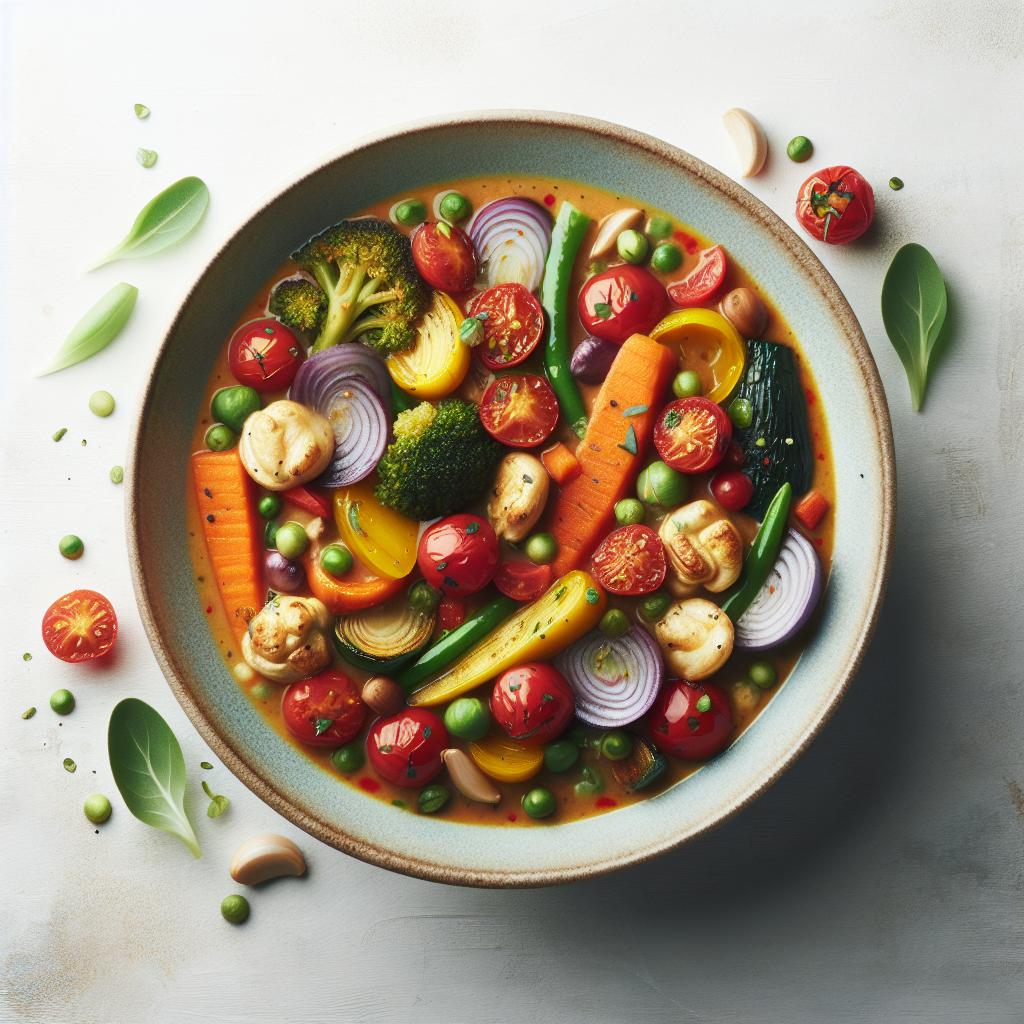

There’s something deeply comforting about the rich aroma of roasting vegetables-their natural sweetness caramelizing, coaxing out layers of flavor that transform ordinary ingredients into a symphony of taste. Roasted vegetable soup isn’t just a meal; it’s an experience, a celebration of seasonality and simplicity, coaxed into a warm, velvety bowl. In this ultimate guide, we’ll explore the art and science behind creating the perfect roasted vegetable soup-from selecting the freshest produce to mastering roasting techniques that amplify natural flavors, all the way to blending and seasoning for that harmonious finish. Whether you’re a seasoned cook or a curious beginner, prepare to savor every spoonful of this wholesome, nourishing classic.
Savor the Flavor: Roasted Vegetable Soup – Unlock the Secrets to a Soul-Warming Delight
Savor the Flavor begins with the magic of roasted vegetables that not only elevate the aroma but create an unforgettable depth in every spoonful. This beloved soup transcends simple comfort food, igniting your senses with caramelized sweetness and rich, layered broth that feels like a cozy hug on a chilly day. Years ago, I discovered the transformative power of roasting vegetables before blending them into soup, and it forever changed how I approach homemade broths. Today, I’ll guide you through every step to harness those fragrant, golden notes and achieve an ideal soup texture that is silky yet hearty. Ready to awaken your kitchen with umami-rich smells and vibrant flavors? Let’s dive into the ultimate roasted vegetable soup experience.
Prep and Cook Time
- Preparation Time: 20 minutes
- Cooking Time: 45 minutes
- Total Time: 1 hour 5 minutes
Yield
Serves 6 generously
Difficulty Level
Easy to Medium – perfect for home cooks eager to deepen their vegetable cooking skills
Ingredients
- 3 cups mixed root vegetables (carrots, parsnips, and sweet potatoes), peeled and chopped into 1-inch pieces
- 2 cups butternut squash, peeled and cubed
- 1 large yellow onion, quartered
- 1 bulb garlic, halved horizontally
- 2 tablespoons extra virgin olive oil
- 1 teaspoon kosher salt, plus extra to taste
- ½ teaspoon freshly ground black pepper
- 1 teaspoon smoked paprika (for subtle warmth and complexity)
- 1 teaspoon dried thyme
- 6 cups low-sodium vegetable broth, preferably homemade or from a trusted brand
- 1 bay leaf
- 1 tablespoon fresh lemon juice (optional, for brightness)
- Fresh herbs for garnish (chopped parsley or thyme)
Instructions
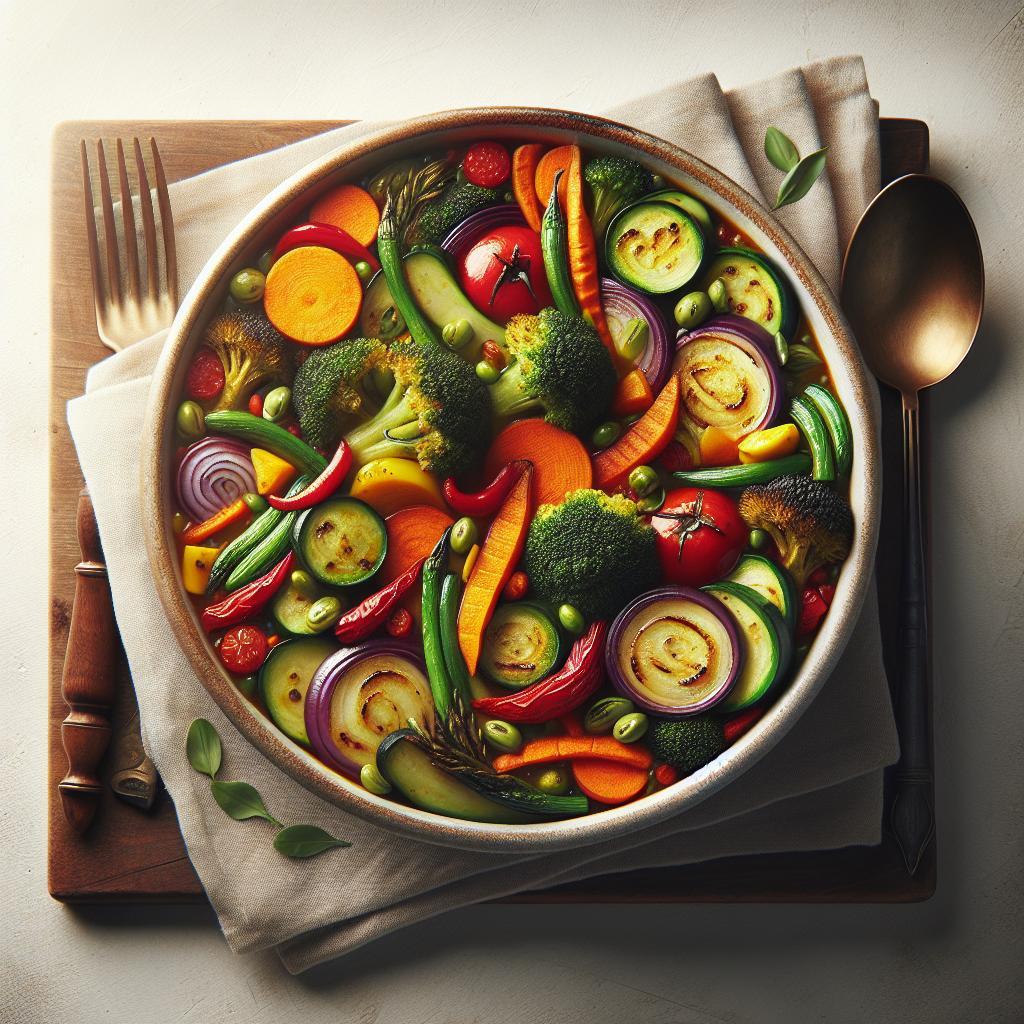
- Preheat your oven to 425°F (220°C). Spread the chopped root vegetables, butternut squash, onion quarters, and garlic halves on a large rimmed baking sheet. Drizzle with olive oil and sprinkle with salt, black pepper, smoked paprika, and dried thyme. Toss gently to ensure every piece is coated.
- Roast the vegetables for 30-35 minutes, stirring halfway through so they brown evenly. Look for deep golden edges and a caramelized aroma-the key to unlocking maximum sweetness and flavor.
- Remove the garlic halves, squeeze out the softened cloves, and set aside. Transfer the rest of the roasted vegetables to a large stockpot.
- Add the vegetable broth and bay leaf, then bring the mixture to a simmer over medium heat. Let it cook gently for about 15 minutes, which allows the flavors to meld and the broth to gain richness.
- Using an immersion blender, carefully purée the soup until it reaches a smooth, creamy consistency. If you prefer a chunkier texture, purée partially or pulse in batches using a countertop blender.
- Stir in the roasted garlic paste, fresh lemon juice (if using), and adjust seasoning with salt and pepper to taste. Remove the bay leaf before serving.
- Serve hot, garnished with chopped fresh herbs, a drizzle of olive oil, or a sprinkle of toasted pumpkin seeds for an added textural contrast.
Tips for Success
- Choose firm vegetables with vibrant color to maximize natural sweetness and to avoid dilution of flavor during roasting.
- Do not overcrowd the baking sheet; vegetables need space to roast, not steam. Use two pans if necessary.
- Roasting at a high temperature is essential to deepen the flavors-aim for that perfect golden char without burning.
- Use an immersion blender for ease and control; if unavailable, blend in small batches to prevent splashes and ensure safety.
- For vegan creaminess, a splash of coconut milk or cashew cream can be stirred in just before serving instead of lemon juice.
- Make-ahead tip: This soup tastes even better after resting in the fridge overnight, allowing the flavors to intensify. Reheat gently over low heat, stirring occasionally.
- Need a nutty crunch? Toast seeds or pine nuts on a dry skillet and sprinkle on top for extra texture and visual appeal.
Serving Suggestions
This roasted vegetable soup is a versatile canvas. Serve it in rustic bowls alongside crunchy artisan bread or garlic croutons for a comforting meal. Add a dollop of herb-infused yogurt or a swirl of pesto for an elegant twist. A garnish of microgreens or a sprinkle of smoked sea salt will elevate the presentation and awaken the senses. Pair with a fresh mixed greens salad or roasted cauliflower steaks for a well-rounded seasonal experience.
| Nutritional Information (per serving) | Amount |
|---|---|
| Calories | 180 kcal |
| Protein | 4 g |
| Carbohydrates | 30 g |
| Fat | 6 g |
| Fiber | 6 g |

For more inspiration on vegetable broths and enhancing plant-based dishes, check out our comprehensive guide to vegetable broth. To deepen your understanding of roasting chemistry, visit Serious Eats’ expert article on roasting vegetables.
Q&A
Q&A: Savor the Flavor – The Ultimate Guide to Roasted Vegetable Soup
Q1: What makes roasted vegetable soup different from regular vegetable soup?
Roasted vegetable soup is a symphony of caramelized, deep flavors. By roasting the vegetables first, you coax out their natural sweetness and add a smoky, rich complexity that boiling or steaming alone can’t achieve. This method transforms simple veggies into a gourmet experience in a bowl.
Q2: Which vegetables work best for roasting in this soup?
Root vegetables like carrots, parsnips, and sweet potatoes shine brightly when roasted, thanks to their natural sugars. Bell peppers, tomatoes, onions, and garlic also contribute smoky sweetness and depth. Feel free to mix and match based on what’s fresh and in season-roasting amplifies their essence.
Q3: How do you prepare the vegetables for roasting to optimize flavor?
Cut the vegetables into uniform pieces to ensure even roasting. Toss them lightly in olive oil, salt, and pepper, perhaps with a sprinkle of fresh herbs or smoked paprika for an extra kick. Roast at a high temperature (around 425°F/220°C) until they’re golden and edges caramelize-this creates those irresistible flavor notes.
Q4: Can I make roasted vegetable soup creamy without dairy?
Absolutely! After blending the roasted veggies, add creamy plant-based options like coconut milk, cashew cream, or even a swirl of blended white beans. They’ll lend lushness without overshadowing the roasted flavors, keeping it comforting and dairy-free.
Q5: What’s the best way to balance flavors in roasted vegetable soup?
Roasting brings sweetness forward, so balancing with acidity-like a splash of lemon juice or a drizzle of balsamic vinegar-brightens the bowl. A touch of heat from chili flakes or a sprinkle of fresh herbs at the end keeps each spoonful lively and nuanced.
Q6: Is roasted vegetable soup suitable for meal prep and freezing?
Definitely! It’s an excellent candidate for making ahead. Once cooled, store it in airtight containers for up to four days in the fridge or freeze for up to three months. When reheating, add a splash of broth or water to revive its luscious texture.
Q7: What creative toppings or garnishes elevate roasted vegetable soup?
Think beyond croutons and cream! Toasted pumpkin seeds, a sprinkle of fresh parsley or cilantro, a dollop of herbed yogurt, or a drizzle of chili oil all add contrasting textures and flavors. Even crispy bacon bits or shaved Parmesan can turn it into a decadent treat.
Q8: Can roasting time be adjusted for different vegetables in the soup?
Yes! Root veggies generally take longer to roast (30-40 minutes), while softer vegetables like tomatoes or bell peppers need less time (15-20 minutes). Roasting harder veggies first and adding delicate ones later to the pan ensures everything reaches perfect caramelization without turning mushy.
Q9: How can I make the soup more protein-packed?
Add cooked lentils, cannellini beans, or chickpeas during blending or as a garnish. Alternatively, topping with toasted nuts or seeds can add a satisfying crunch and dose of protein. This keeps the soup hearty without losing its vibrant vegetable spirit.
Q10: What’s the secret to achieving that “ultimate” roasted vegetable soup flavor?
The secret lies in patience and layering flavors: roast veggies until edges are beautifully caramelized, build depth with aromatic herbs and spices, balance with acidity and a hint of sweetness, and finish with quality olive oil or a graceful swirl of cream. It’s a delicious dance of time, technique, and a love for bold, soulful soup.
Closing Remarks
As the final spoonful of roasted vegetable soup warms your palate, you’re reminded that the simplest ingredients-when treated with care and patience-can transform into something truly extraordinary. This guide has taken you through the art of coaxing deep, caramelized flavors from humble vegetables, proving that roasting is more than a cooking method; it’s a flavor revolution. Whether you’re a seasoned chef or a kitchen novice, the beauty of this soup lies in its versatility and soul-soothing essence. So next time the chill sets in or you crave a bowl of comfort, remember: your oven and a handful of fresh vegetables hold the key to a culinary masterpiece that’s as nourishing as it is delicious. Savor each sip, and let the flavors tell their story.