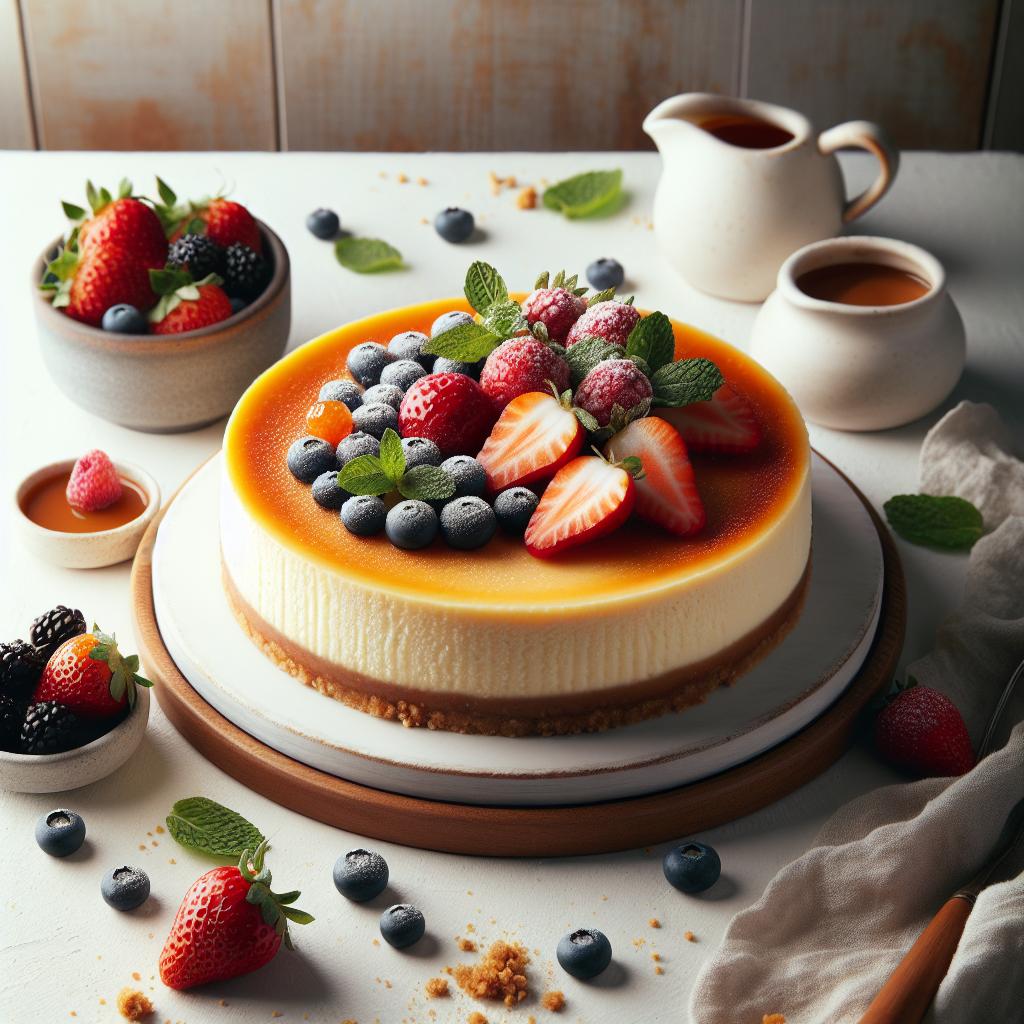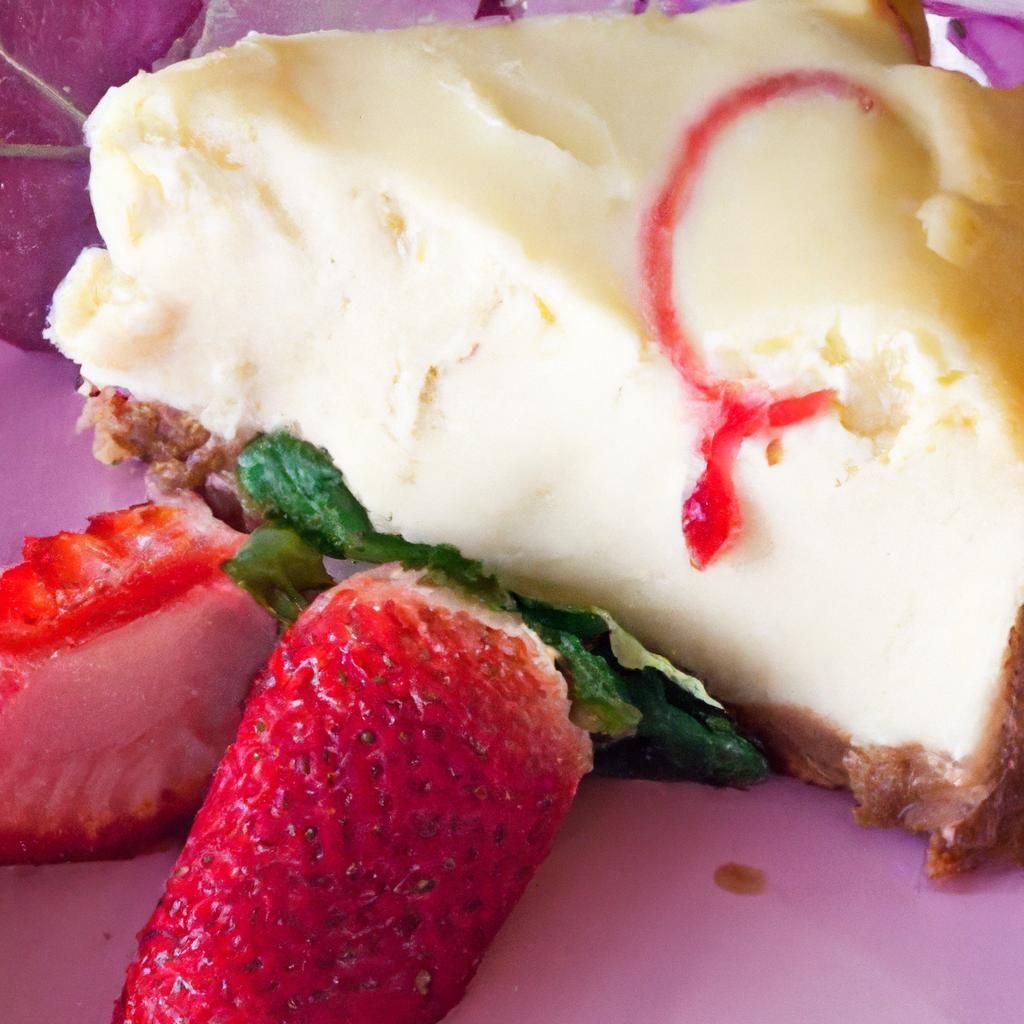

In the bustling heart of New York City, where innovation and tradition dance in constant rhythm, one timeless treasure remains steadfastly beloved: the classic New York cheesecake. With its luxuriously dense texture, rich cream cheese flavor, and perfectly golden crust, this iconic dessert has captivated palates for generations. But what is it about this deceptively simple cake that has earned it a place in the cultural-and culinary-hall of fame? From its storied origins to the subtle science behind every silky bite, the enduring allure of classic New York cheesecake is a tale of flavor, history, and artistry worth savoring. Join us as we peel back the layers and explain why this creamy delicacy continues to reign supreme in the world of desserts.
The enduring allure of classic New York cheesecake lies not only in its rich, velvety texture but in its storied origins and the meticulous craftsmanship behind every slice. Born in the bustling boroughs of New York City, this iconic dessert has captured hearts worldwide with its luxurious cream cheese base, a touch of sour cream for tang, and the subtle crunch of a buttery graham cracker crust. Each bite transports you to the golden age of New York bakeries, where passion and tradition transform simple ingredients into a timeless masterpiece.
Prep and Cook Time
- Preparation: 20 minutes
- Baking: 70 minutes
- Cooling and Chilling: 4 hours (preferably overnight)
Yield
Serves 10 generous slices
Difficulty Level
Medium – Ideal for bakers ready to elevate their cheesecake skills with attention to detail
Ingredients That Set Classic New York Cheesecake Apart
- 2 lbs (900 g) full-fat cream cheese, softened – the cornerstone for that signature creamy texture
- 1 1/4 cups (250 g) granulated sugar – balances richness with subtle sweetness
- 1 cup (240 ml) sour cream, full-fat – adds a slight tang and silkiness
- 3 large eggs, at room temperature – provide structure without heaviness
- 2 tsp pure vanilla extract – enhances depth of flavor
- 2 tbsp all-purpose flour – stabilizes the batter for a smooth finish
- 1 1/2 cups (150 g) graham cracker crumbs – forms the classic buttery crust
- 6 tbsp unsalted butter, melted – binds the crust and adds richness
- Pinch of salt – rounds out the sweetness and highlights other flavors
Techniques for Achieving the Perfect Creamy Texture
For the ultimate classic New York cheesecake texture, the focus must be on gentle handling and precise temperature control. Begin by ensuring all dairy ingredients are at room temperature; this prevents lumps and encourages a perfectly blended batter. When beating the cream cheese with sugar, use a stand mixer on low-medium speed until smooth and creamy. Incorporate each egg one at a time to maintain body without over-aerating the mixture, which can cause cracks.
Preheat your oven and create a water bath by placing the springform pan inside a larger pan filled with hot water to keep humidity steady and baking temperature gentle. This method prevents the cheesecake’s surface from cracking and produces that melt-in-your-mouth consistency adored by many.
Instructions
- Prepare the crust: Combine the graham cracker crumbs, melted butter, and a pinch of salt in a mixing bowl. Press firmly into the bottom of a 9-inch springform pan, about 1/2 inch thick. Chill in the refrigerator for 15 minutes to set.
- Make the filling: Beat the softened cream cheese on medium speed until creamy and smooth, about 2-3 minutes. Gradually add sugar and continue mixing for another 2 minutes until fully incorporated.
- Add sour cream and vanilla: Add sour cream and vanilla extract, mixing gently just until blended. Sprinkle the flour over the batter and fold with a spatula to combine thoroughly.
- Incorporate eggs: Add eggs one at a time, mixing on low speed after each addition to avoid overwhipping. Stop mixing once the eggs are just incorporated to maintain a dense yet creamy batter.
- Pour batter over crust: Smooth the top with a spatula and tap the pan on the counter gently to release any air bubbles.
- Set up the water bath: Wrap the bottom of the springform pan loosely with aluminum foil to prevent water seepage. Place the pan within a larger baking dish and carefully pour preheated water to come halfway up the side of the springform pan.
- Bake: Bake at 325°F (163°C) for 60-70 minutes until the edges are set and the center slightly jiggles when nudged.
- Cool and chill: Turn off the oven and leave the cheesecake inside with the door cracked open for 1 hour. Remove the cheesecake from the water bath, unwrap the foil, and let cool completely on a wire rack. Refrigerate for at least 4 hours, preferably overnight.
- Serve: Run a knife around the edge before releasing the springform, then slice with a hot, wet knife for perfectly clean cuts.
Chef’s Notes and Tips for Success
- Room temperature ingredients: Always soften cream cheese and eggs beforehand to ensure a smooth batter without lumps.
- No cracks: Avoid overmixing and use a water bath to maintain gentle, even baking.
- Flavor variations: Enhance with lemon zest or swap vanilla for almond extract for a personalized twist.
- Make ahead: Cheesecake tastes best after chilling overnight, allowing flavors to meld and texture to set beautifully.
- Egg substitute tip: For those with dietary restrictions, use aquafaba as a vegan egg replacer but note the texture will be slightly lighter.
Serving Suggestions
Serve classic New York cheesecake chilled, garnished with fresh berries like strawberries or blueberries, a dollop of lightly whipped cream, or a drizzle of tangy raspberry coulis. For an added flair, sprinkle crushed graham cracker crumbs over the top for texture contrast. Pair with a robust cup of coffee or a glass of late harvest Riesling to celebrate the rich, creamy decadence.
| Nutrition per serving | Amount |
|---|---|
| Calories | 480 kcal |
| Protein | 8 g |
| Carbohydrates | 38 g |
| Fat | 33 g |
Discover more about the culinary heritage of America’s favorite desserts in our Classic American Desserts collection. For additional background on New York cheesecake’s rise to fame, visit The New York Times’ in-depth feature.

Q&A
Q&A: The Enduring Allure of Classic New York Cheesecake Explained
Q1: What makes New York cheesecake so iconic compared to other types of cheesecake?
A1: New York cheesecake is iconic because of its rich, dense, and creamy texture achieved through the use of full-fat cream cheese and heavy cream, baked slowly to perfection. Its simplicity-minimal ingredients that highlight quality dairy-creates a luscious dessert that’s both indulgent and comforting. This pure, creamy flavor stands apart from lighter, fluffier varieties, making it a symbol of decadent indulgence.
Q2: How did New York cheesecake originate and become a staple in the city’s food culture?
A2: New York cheesecake traces its roots back to early 20th-century Jewish immigrants who adapted traditional European cheesecake recipes using American cream cheese-first made in New York in the late 1800s. The dense, creamy adaptation quickly caught on in local delis and bakeries, becoming a beloved staple and a must-try for visitors seeking a true taste of the city.
Q3: Why does New York cheesecake have such a dedicated fanbase nationwide?
A3: Its devoted following stems from the cheesecake’s perfect balance of richness and simplicity. Unlike trendy dessert fads, New York cheesecake offers a timeless flavor that evokes nostalgia and comfort. Its creamy, buttery mouthfeel combined with a subtly tangy finish appeals universally, comforting both casual dessert lovers and culinary connoisseurs alike.
Q4: What role does the crust play in the classic New York cheesecake experience?
A4: The crust-usually a crunchy graham cracker base-provides a textural contrast that complements the dense, velvety filling. This contrast is crucial: it anchors the cheesecake, preventing it from feeling overly heavy, and adds a rustic, slightly sweet element that rounds out every bite.
Q5: Are there key techniques bakers use to achieve the perfect New York cheesecake texture?
A5: Absolutely. Precision in temperature control and timing is vital. Bakers often use a water bath to ensure gentle, even baking, which prevents cracks and keeps the filling smooth. The batter is mixed just enough to combine-not over-beaten-to maintain a dense but not rubbery texture. Slow cooling also plays a role, allowing the cheesecake to set with that signature creamy firmness.
Q6: How has New York cheesecake influenced modern dessert trends?
A6: New York cheesecake has inspired countless reinterpretations-from deconstructed versions to fusion twists incorporating exotic flavors. Its influence can be seen in everything from mousse-based desserts to ice cream flavors. Yet, despite these new takes, the classic version remains a benchmark, reminding chefs and enthusiasts alike that sometimes, simplicity paired with quality ingredients is the ultimate indulgence.
Q7: Can the allure of New York cheesecake be experienced outside of New York?
A7: Definitely. Thanks to its popularity, authentic New York-style cheesecakes are made around the world, and recipes are widely replicated. However, as with any iconic food, tasting it in a New York bakery-where tradition meets craft-adds a layer of cultural flavor. Still, a well-made slice anywhere can evoke the rich, creamy magic that solidifies New York cheesecake’s enduring charm.
This creative Q&A unpacks why classic New York cheesecake remains a beloved dessert, blending history, culinary art, and cultural resonance into one irresistible slice.
To Conclude
In the ever-evolving landscape of desserts, the classic New York cheesecake stands as a timeless icon-an edible testament to simplicity perfected. Its creamy richness, subtle tang, and silky texture weave a story that transcends generations, inviting each new palate to savor a slice of history. As we peel back the layers of its enduring appeal, one truth remains clear: this cheesecake is more than just a dessert; it is a cultural landmark, a sweet embrace of tradition and innovation. Whether enjoyed in a bustling city café or homemade in a quiet kitchen, the classic New York cheesecake continues to captivate, reminding us that some flavors never fade-they only deepen.