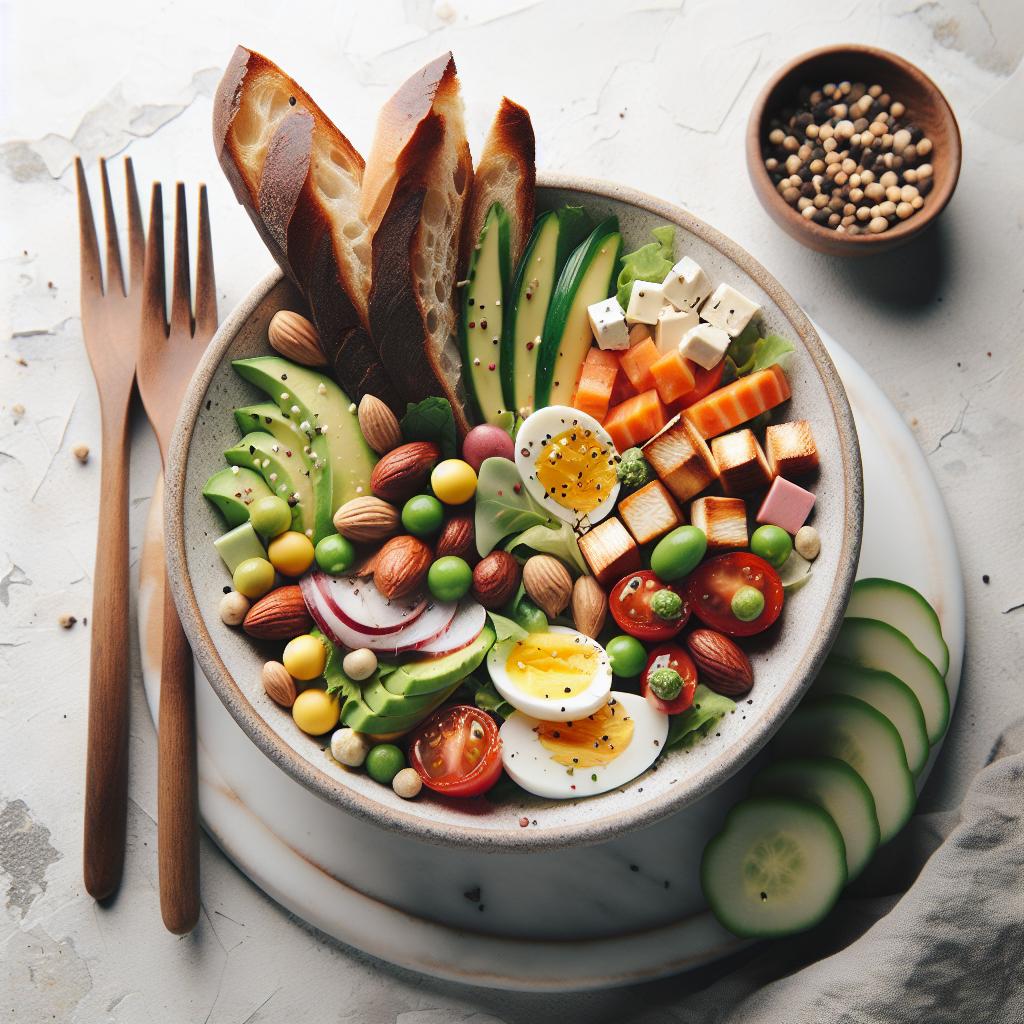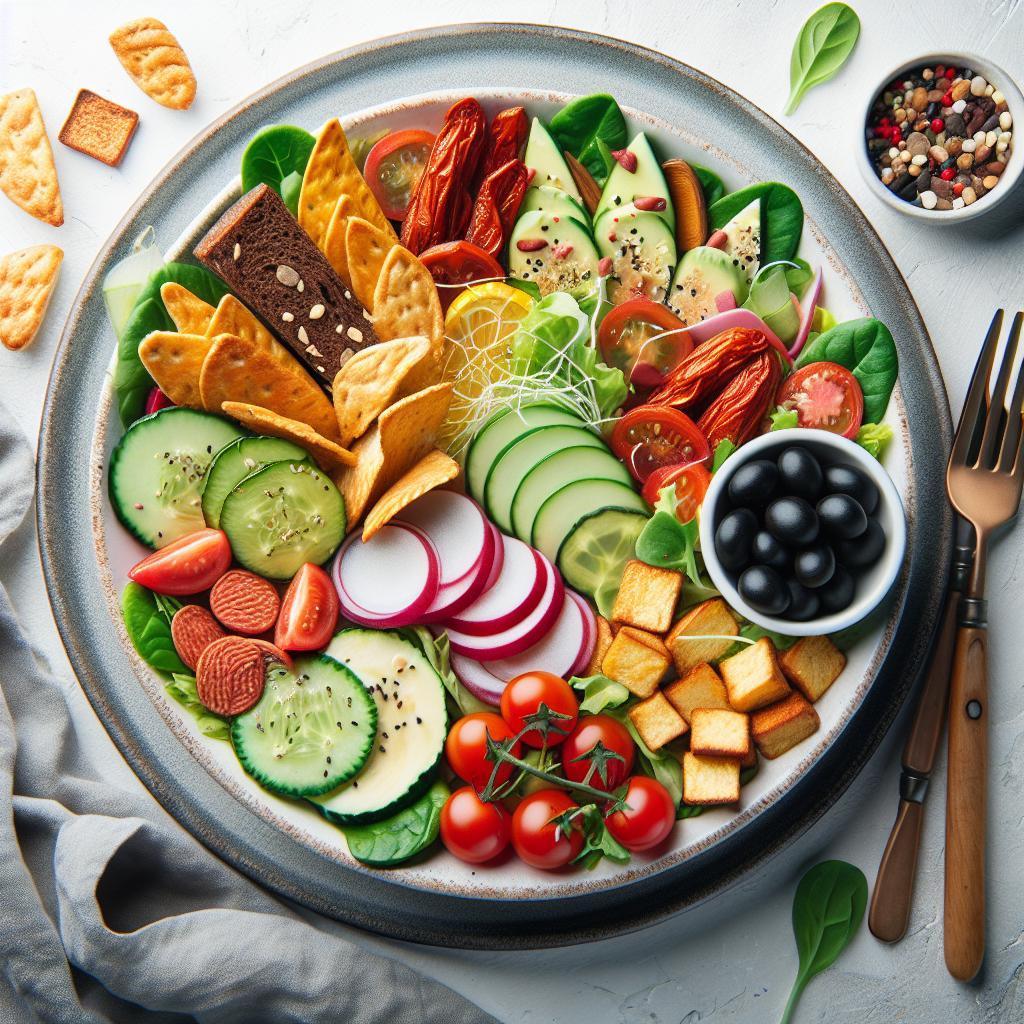
In a world brimming with colorful, nutrient-packed snacks promising to fuel growing minds and bodies, parents and caregivers often find themselves puzzled at the dinner table: Why do kids just say no? Despite best intentions and cleverly crafted options, healthy snacks frequently face the cold shoulder from young taste buds. This refusal isn’t just about picky eating-it’s a complex dance of development, perception, and preference. Delving beneath the surface, we explore the surprising reasons behind this snack-time standoff and uncover strategies to bridge the gap between nutrition and acceptance. When healthy snacks fail, understanding the “why” becomes the first step toward a tastier, more cooperative future.
When Healthy Snacks Fail: Why Kids Just Say No is a common struggle for caregivers trying to introduce nutritious options to picky eaters. Understanding the subtle interplay of taste and texture can transform ordinary snack time into a delightful experience for children, turning rejection into eager anticipation. This recipe embraces those principles by offering a vibrant, flavorful, and texturally engaging snack that celebrates wholesome ingredients while sparking curiosity and satisfaction in young palates.
Prep and Cook Time
Prep: 15 minutes | Cook: 10 minutes | Total: 25 minutes
Yield
Serves 4 to 6 children
Difficulty Level
Easy
Ingredients
- 1 cup Greek yogurt, full-fat for creaminess
- 1 tablespoon honey or maple syrup
- 1 teaspoon vanilla extract
- 1 cup mixed fresh berries (blueberries, raspberries, strawberries), rinsed and gently patted dry
- 1/2 cup finely chopped cucumbers without seeds
- 1/3 cup finely chopped toasted almonds
- 1 tablespoon chia seeds for crunch and nutrition
- 4 whole grain mini rice cakes or gluten-free crackers
- Fresh mint leaves for garnish (optional)
Instructions
- Prepare the yogurt base: In a medium bowl, combine Greek yogurt, honey, and vanilla extract. Stir gently until smooth and glossy.
- Mix in fresh produce: Fold in berries and chopped cucumbers carefully. The combination of juicy berries and crunchy cucumber creates a playful texture contrast that entices kids.
- Add crunch: Stir in toasted almonds and chia seeds evenly, ensuring every bite has a bit of delightful crunch without overwhelming the creamy base.
- Assemble the snack: Spoon generous dollops of the yogurt mixture atop each mini rice cake, layering evenly to avoid sogginess.
- Garnish for appeal: Top with a small raspberry or blueberry and a fresh mint leaf to add color and an aromatic hint that enriches the sensory experience.
- Serve immediately for the freshest texture. If needed, refrigerate components separately and assemble just before serving to maintain crispness.
Tips for Success
- Use full-fat Greek yogurt to provide richness that appeals to kids accustomed to creamy snacks.
- To accommodate nut allergies, substitute almonds with toasted pumpkin seeds or omit entirely.
- If children prefer smoother textures, finely dice the berries or blend a portion for a mild berry sauce to swirl through the yogurt.
- Engage kids in assembling their own rice cake bites; involvement increases excitement and acceptance.
- For an extra nutrient boost, sprinkle a pinch of finely grated carrot or zucchini into the yogurt mix.
- Store leftovers in an airtight container for up to 24 hours-but keep the crunchy toppings separate until serving.
Serving Suggestions
Arrange the assembled rice cake bites on a brightly colored platter to catch children’s eyes. Pair them with small cups of freshly squeezed orange juice or water infused with slices of lemon and mint for a refreshing balance. Encourage kids to describe the textures and flavors they experience, turning snack time into a fun educational moment.
| Nutrient | Per Serving |
|---|---|
| Calories | 150 |
| Protein | 6g |
| Carbs | 18g |
| Fat | 6g |

Explore more creative snack ideas in our Healthy Snack Recipes for Kids collection and learn from trusted pediatric nutrition advice at HealthyChildren.org.
Q&A
Q&A: When Healthy Snacks Fail: Why Kids Just Say No
Q1: Why do kids often reject healthy snacks even when they’re nutritious?
A1: Kids’ taste buds are wired to prefer sweet, salty, or fatty flavors-they’re evolutionary survival signals for energy-dense foods. Healthy snacks often lack the intense flavors or textures that excite young palates, making them seem boring or unappealing. Additionally, kids are creatures of habit and may resist unfamiliar tastes or new food experiences.
Q2: Is it just about taste, or are there other reasons kids say no to healthy snacks?
A2: Beyond taste, kids’ snack refusals can be influenced by texture, color, and appearance. Chunky veggies or mushy fruits might feel unpleasant in their mouths. Social factors matter too-if a snack isn’t “cool” among peers, kids might reject it. Emotional responses and hunger levels also play roles; a snack presented when a child isn’t hungry or feels pressured may be declined outright.
Q3: How much does marketing affect kids’ snack preferences?
A3: Huge impact! Colorful packaging, cartoon characters, and sweet advertising messages shape what kids want. Healthy snacks often lack this flashy appeal, so kids gravitate toward the sugary cereals and chips bombarding them with fun imagery. This creates a challenge for parents trying to promote better choices without the marketing hype.
Q4: Can kids’ refusal of healthy snacks be a form of asserting independence?
A4: Absolutely. Saying “no” to a snack can be a way for kids to express autonomy and control over their environment. Choosing what to eat is one of the first exercises of independence, so refusals aren’t just about flavor-they’re also about developing personal preference and boundaries.
Q5: What’s one creative strategy to help kids embrace healthy snacks?
A5: Make snack time a sensory adventure! Turn fruits and veggies into fun shapes, mix them with favorite dips, or create colorful “snack art” on plates. Involve kids in choosing and preparing snacks-ownership breeds enthusiasm. Pair healthy snacks with small rewards not tied to food to boost motivation. Above all, patience and persistence help transform “no” into “yes” over time.
Q6: Should parents give up if their kid keeps turning down healthy snacks?
A6: Not at all! Repeated exposure without pressure is key. Sometimes kids need to see, smell, and taste a healthy item 10+ times before acceptance. Keep offering a variety in a low-stress way, and celebrate small victories. Eventually, those “no’s” often soften into curious “maybe’s” and even enthusiastic “yes’s.”
Q7: Are there age-specific considerations for healthy snack acceptance?
A7: Definitely. Toddlers are more neophobic (fear of new foods) and often reject anything unfamiliar. Preschoolers may become picky as they seek control. Older kids’ preferences often align with social trends and sensory highs. Tailoring snack presentations and involvement according to age can increase success rates.
Feeling frustrated at snack time? Remember: just as plants need nurture and time, so do young taste buds. With creativity, patience, and a sprinkle of fun, healthy snacks can win over even the most discerning young eaters.
In Conclusion
In the end, understanding why kids reject healthy snacks is more than just a mealtime mystery – it’s an invitation to rethink how we approach nutrition with empathy and creativity. By tuning into their tastes, habits, and moods, we can transform snacks from battlefield to bonding moment. After all, the goal isn’t just to slip in vitamins and minerals unnoticed; it’s to nurture a lifelong relationship with food that feels good, tastes good, and ultimately, says yes to health. So next time your toddler turns up their nose, remember: it’s not a rejection of the snack, but a chance to discover what truly nourishes both body and spirit.