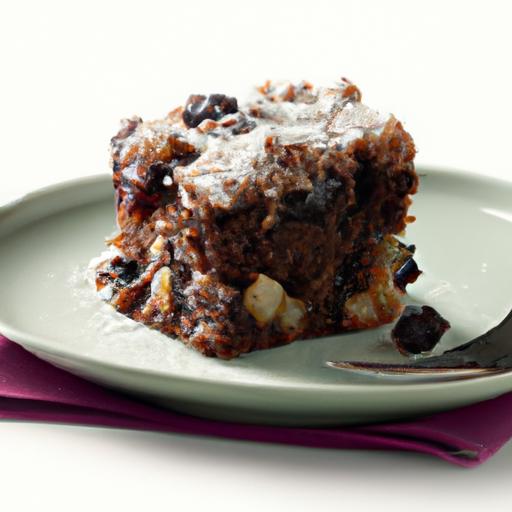

There’s nothing quite like the ease and comfort of a dump cake-a sweet, saucy dessert that practically makes itself. But when you dig in and find a soggy, undercooked bottom waiting beneath the golden, crumbly topping, that cozy moment turns into a kitchen conundrum. So, why is your dump cake soggy on the bottom, and more importantly, how can you fix it fast? Whether you’re a baking newbie or a seasoned sweet tooth, understanding the sneaky science behind that gooey base is the first step to dessert perfection. Let’s unpack the most common culprits and uncover quick fixes that will transform your dump cake from damp to divine.
Why Is My Dump Cake Soggy on the Bottom? Fix It Fast! If you’ve ever eagerly sliced into a warm dump cake only to find a frustratingly soggy bottom layer, you’re not alone. This common pitfall stems from the natural moisture released by juicy fruits during baking, which pools beneath the crumbly topping. Understanding the science behind moisture buildup, the role fruit juices play, and choosing the right baking vessel can transform your next dump cake from a soggy disappointment into a perfectly textured dessert.
The Role of Fruit Juices in Creating a Soggy Bottom Layer
The magic of a dump cake comes from its effortless layering-fruit, cake mix, butter-all “dumped” into a pan and baked. But fruits like peaches, berries, and cherries have a high water content. During baking, this moisture turns into juice that runs freely, soaking the cake mix below. While this juiciness contributes to flavor and tenderness, too much liquid can overwhelm the crumbly cake, creating a dense, wet bottom layer instead of a light, spongy texture.
Balancing this natural release involves choosing fruit with slightly firmer flesh, partially draining overly juicy fruits, or incorporating a thickener like cornstarch or tapioca starch into the fruit layer. These thickening agents help trap excess liquid, maintaining that melt-in-your-mouth crumb without the unpleasant soggy sogginess.
Choosing the Right Baking Dish and Its Impact on Drainage
The vessel you bake your dump cake in can dramatically affect moisture distribution. A deep, glass or ceramic baking dish retains heat evenly but may also trap steam beneath the dense fruit layer. Conversely, metal pans, especially lighter aluminum or steel, encourage faster moisture evaporation.
When using glass or ceramic, consider baking uncovered to allow excess steam to escape or slightly increasing baking time to dry the bottom layer thoroughly. Also, the size matters: too small a dish compresses layers and concentrates juices; too large a dish thins layers, leading to uneven cooking.
Raising the pan slightly by placing it on a wire rack inside the oven promotes air circulation underneath, preventing moisture from accumulating in the base. Remember, drainage and airflow are your allies in achieving that ideal dum cake texture harmony.
Quick Fixes to Rescue Your Dump Cake from a Watery Mishap
All is not lost if you find your dump cake soggy on the bottom. Here’s how to rescue it:
- Extend baking time: Simply keep your cake in the oven at a slightly lower temperature (about 325°F/160°C) for an additional 10-15 minutes to help evaporate excess moisture.
- Remove excess juice: Carefully tilt your baking dish to pour off some liquid before serving, preserving texture without sacrificing flavor.
- Broil briefly: A quick 2-3 minute broil on top can crisp up the crumbly layer further while driving out steam below.
- Serve creatively: Pair your moist dump cake with a scoop of ice cream or lightly whipped cream for contrasts in texture and temperature that delight the palate.
By embracing these tips, you can confidently transform your dessert, perfecting the irresistible balance of juicy fruit and tender crumb-no more soggy bottom woes.
Prep and Cook Time
- Preparation: 10 minutes
- Cooking: 40-50 minutes (plus optional extra for drying)
Yield
Serves 8 generous slices
Difficulty Level
Easy – perfect for beginner bakers and busy weeknights
Ingredients
- 4 cups frozen mixed berries (thawed and drained slightly)
- 1 cup granulated sugar
- 2 tbsp tapioca starch or cornstarch
- 1 box (15.25 oz) yellow or white cake mix
- 1 cup unsalted butter, melted
- Optional: 1 tsp vanilla extract
Instructions
- Preheat your oven to 350°F (175°C). Lightly grease a 9×13-inch glass or metal baking dish for even cooking.
- In a mixing bowl, gently toss the mixed berries with sugar and tapioca starch until evenly coated. The starch will help thicken juices released during baking.
- Spread the berry mixture evenly in the bottom of the prepared baking dish, ensuring no gaps for juice to leak through.
- Sprinkle the dry cake mix evenly over the fruit layer without pressing down.
- Pour the melted butter slowly and evenly over the cake mix, ensuring all dry bits are moistened (but do not stir).
- Optional: Drizzle vanilla extract over the top for extra aroma and sweetness.
- Bake uncovered for 40-50 minutes until the top is golden brown and bubbling along the edges. Check at 40 minutes by inserting a toothpick near the center-crumbly bits will resist sticking.
- If you notice excess moisture pooling at the bottom when taking the cake out, bake for an additional 10 minutes at 325°F (160°C) to dry it out gently.
- Remove from oven and allow the dump cake to cool for at least 15 minutes to set the layers before serving.
Tips for Success
- Drain juicy fruits slightly before layering, especially thawed frozen berries, to combat moisture excess.
- Use starch as a thickening agent to prevent runny fruit juices from soaking the cake base.
- Always bake your dump cake uncovered to allow steam to escape.
- For crispier edges and a golden top, finish with a brief 2-minute broil but watch carefully to prevent burning.
- Experiment with a mix of fruits for exciting flavor profiles-apples, peaches, and blueberries all work beautifully.
- To make ahead, assemble the dump cake in the dish, cover tightly, and refrigerate for up to 24 hours before baking.
Serving Suggestions
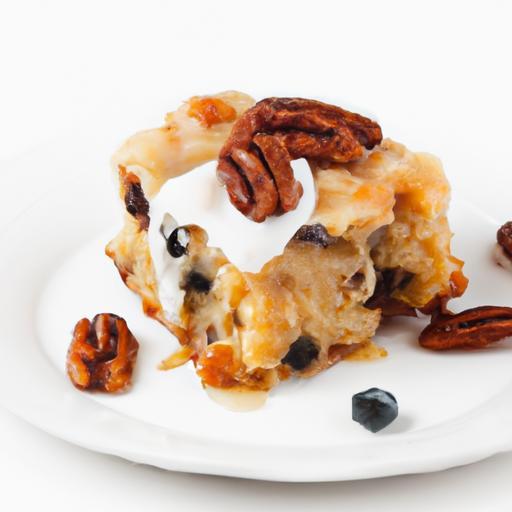
Serve warm with a generous scoop of vanilla bean ice cream or dollop of fresh whipped cream. Garnish with a few fresh berries and a sprig of mint to enhance both flavor and presentation. A drizzle of caramel sauce or a sprinkle of toasted pecans adds texture and richness for a restaurant-worthy finish.
| Nutrient | Per Serving |
|---|---|
| Calories | 320 |
| Protein | 3g |
| Carbohydrates | 45g |
| Fat | 14g |
For more tips on perfecting fruit-based desserts, check out our fruit cobbler guide. Additionally, explore the science behind moisture control in baking with expert insights from King Arthur Baking.

Q&A
Q&A: Why Is My Dump Cake Soggy on the Bottom? Fix It Fast!
Q1: What exactly causes the dreaded soggy bottom in dump cakes?
A1: The soggy bottom is usually a disappointing sign of too much liquid pooling beneath your cake layer. This happens when the fruit filling releases extra juice as it bakes-or if the cake batter doesn’t cook through evenly, leaving the base undercooked and mushy. Think of it like a tiny fruit flood trapped beneath your crumbly topping!
Q2: Is it the fruit, the sugar, or me? Who’s to blame?
A2: It’s mostly the fruit’s natural personality! Fresh or thawed frozen fruit often releases excess moisture during baking. Sugar, while sweetening, can also draw more juice out of the fruit matrix, turning your bottom layer into a juicy swamp.Your technique matters, too-dumping ingredients without balance or skipping that crucial step of layering evenly can make things soggy.
Q3: Can I rescue a soggy dump cake after baking?
A3: Absolutely! Don’t despair: try cutting the cake into squares and baking them uncovered for 10-15 minutes at 350°F (175°C) to help evaporate some of that trapped moisture. Serving it warm on a rack to cool also helps air circulate underneath, drying out the base. And if it’s still too wet? Pair it with ice cream or whipped cream-the soggy texture can be a delightful contrast!
Q4: How can I prevent soggy bottoms the next time?
A4: Prevention is the best fix! Here are some pro tips:
- Use fruit that’s less watery or drain excess juice before layering.
- Toss fruit with a bit of cornstarch or flour to absorb extra moisture.
- Don’t overload your pan-keep fruit and batter proportions balanced.
- Use a well-greased or parchment-lined pan to prevent sticking without soaking up moisture.
- Bake long enough at the right temperature, and consider adding more cake mix on top as a moisture barrier.
Q5: Are there any clever ingredient swaps to keep the bottom crisp?
A5: Definitely! Try using freeze-dried fruit-its concentrated flavor kicks moisture to the curb. Adding a thin layer of crushed cookies or graham crackers between the fruit and cake batter can act like a moisture-sponge and crisp up the base. A sprinkle of ground nuts works similarly, adding texture and soaking up extra juice.
Q6: Is sogginess a sign my dump cake recipe is flawed?
A6: Not necessarily! Many dump cakes are designed to be moist and luscious. The sogginess becomes an issue only when it turns into an unpleasant mush. Each fruit mix and oven behaves differently, so don’t be afraid to tweak your recipe and technique until your dump cake hits that perfect balance of juicy and cakey.
Q7: Can I use a different baking dish to avoid soggy bottoms?
A7: Yes! Metal baking pans tend to conduct heat better than glass, helping the bottom bake faster and drier. A shallow dish can allow juices to evaporate more quickly than a deep pan where moisture gets trapped. Just make sure your dish is oven-safe and greased properly for easy release!
By embracing these tips and tricks, you’ll turn your soggy-bottom dump cake woes into a golden, crispy triumph-fast! After all, a great dump cake is as much about texture as it is about simple, sweet satisfaction. Happy baking!
Insights and Conclusions
In the quest for the perfect dump cake, a soggy bottom can feel like a sweet dream turned slightly soggy nightmare. But fear not-understanding the reasons behind that unwanted moisture is the first step to reclaiming your crown as dessert champion. From balancing liquid ratios and choosing the right pan, to proper layering and baking techniques, a few simple tweaks can transform your dump cake from a gooey mess into a golden, mouthwatering masterpiece. So next time you reach for that recipe, remember these tips and bake with confidence-because every crumb deserves to be as delightful as the first bite!